
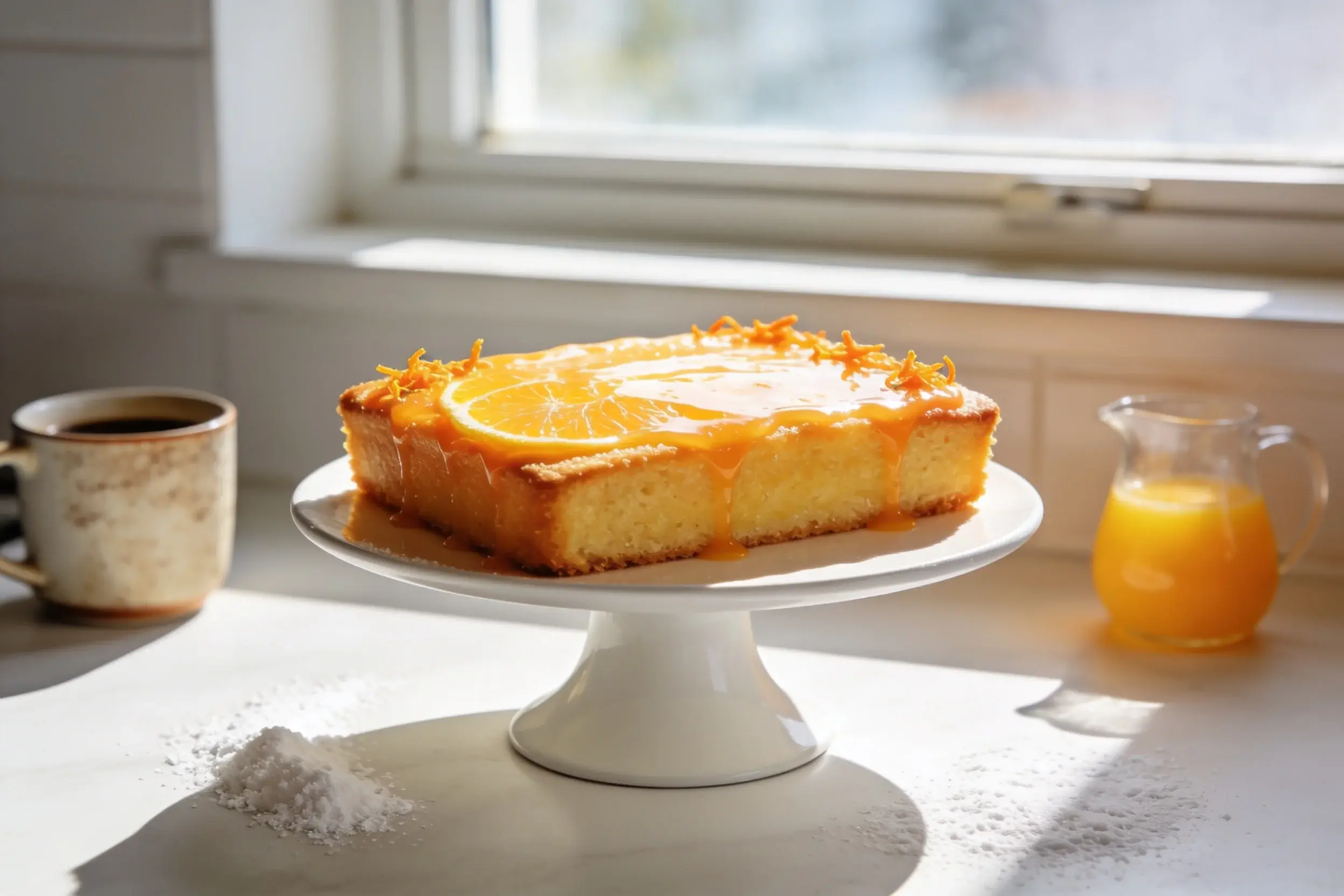
The moment you slice into this Orange Vanilla Sheet Cake, you’ll hear the citrusy chorus and taste a vanilla hug. It’s bright, it’s tender, and it doesn’t ask for a fancy kitchen playlist to shine. If you’re chasing a bake that feels special but easy, this is your jam.
Why a Sheet Cake? The Quick-Draw Dessert You Can Trust
Sheet cake has a reputation for being simple, and that’s not a bad thing. You get even texture, easy frosting, and the kind of slice that serves a crowd without drama. This version leans into orange and vanilla for a mood-boosting flavor that pairs with coffee, tea, or a glass of milk. FYI, you’ll want a sheet pan that’s not too small—this cake can feed a small army or a very hungry family.
What Makes This Orange Vanilla Duo Just Right
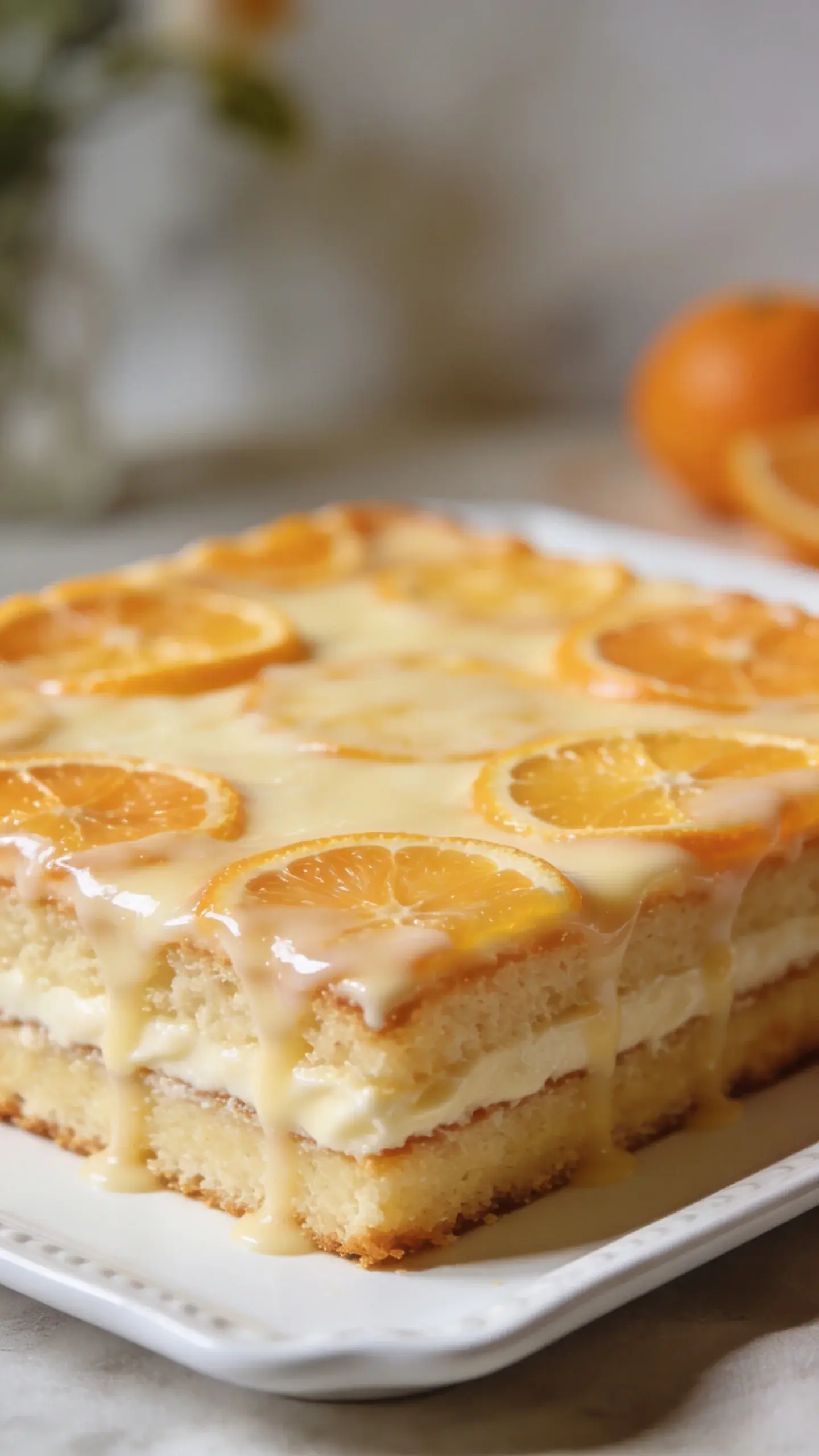
The combo of bright citrus and creamy vanilla feels like sunshine on a plate. The orange zest and juice wake up the batter, while vanilla keeps things smooth and cozy. The citrus glaze on top seals the deal, giving a glossy finish and a kid-friendly zing. It’s not too sweet, it’s not one-note, and it’s incredibly forgiving if you spill a little zest or stray juice.
Ingredients at a Glance
– 2 cups all-purpose flour
– 1 1/2 cups granulated sugar
– 1/2 cup unsalted butter, softened
– 1 cup whole milk
– 2 large eggs
– Zest of 1 large orange
– 1/4 cup fresh orange juice
– 2 teaspoons baking powder
– 1/2 teaspoon salt
– 2 teaspoons vanilla extract
Citrus glaze:
– 1 cup powdered sugar
– 2–3 tablespoons fresh orange juice
– Optional: a pinch of orange zest for extra brightness
Want a dairy-free version? Swap the milk for almond or oat milk and use a plant-based butter substitute. FYI, it’ll still taste fantastic and keep the glaze glossy.
Step-by-Step: How to Build This Cake
- Preheat to 350°F (175°C). Grease and line a standard sheet pan.
- Beat butter and sugar until light and fluffy. Yes, you’re aiming for airiness here.
- Add eggs one at a time, then vanilla. Scrape the bowl so nothing hides from the party.
- Stir in orange zest and juice. The kitchen should smell like a sunny morning already.
- Mix flour, baking powder, and salt in a separate bowl. Alternate adding dry ingredients and milk, starting and ending with dry. Don’t overmix; you’re aiming for a tender crumb.
- Pour batter into pan and bake 22–28 minutes. Bake until a toothpick comes out clean with a few crumbs clinging for moisture.
- Cool the cake in the pan for 10 minutes, then transfer to a rack to cool completely before glazing.
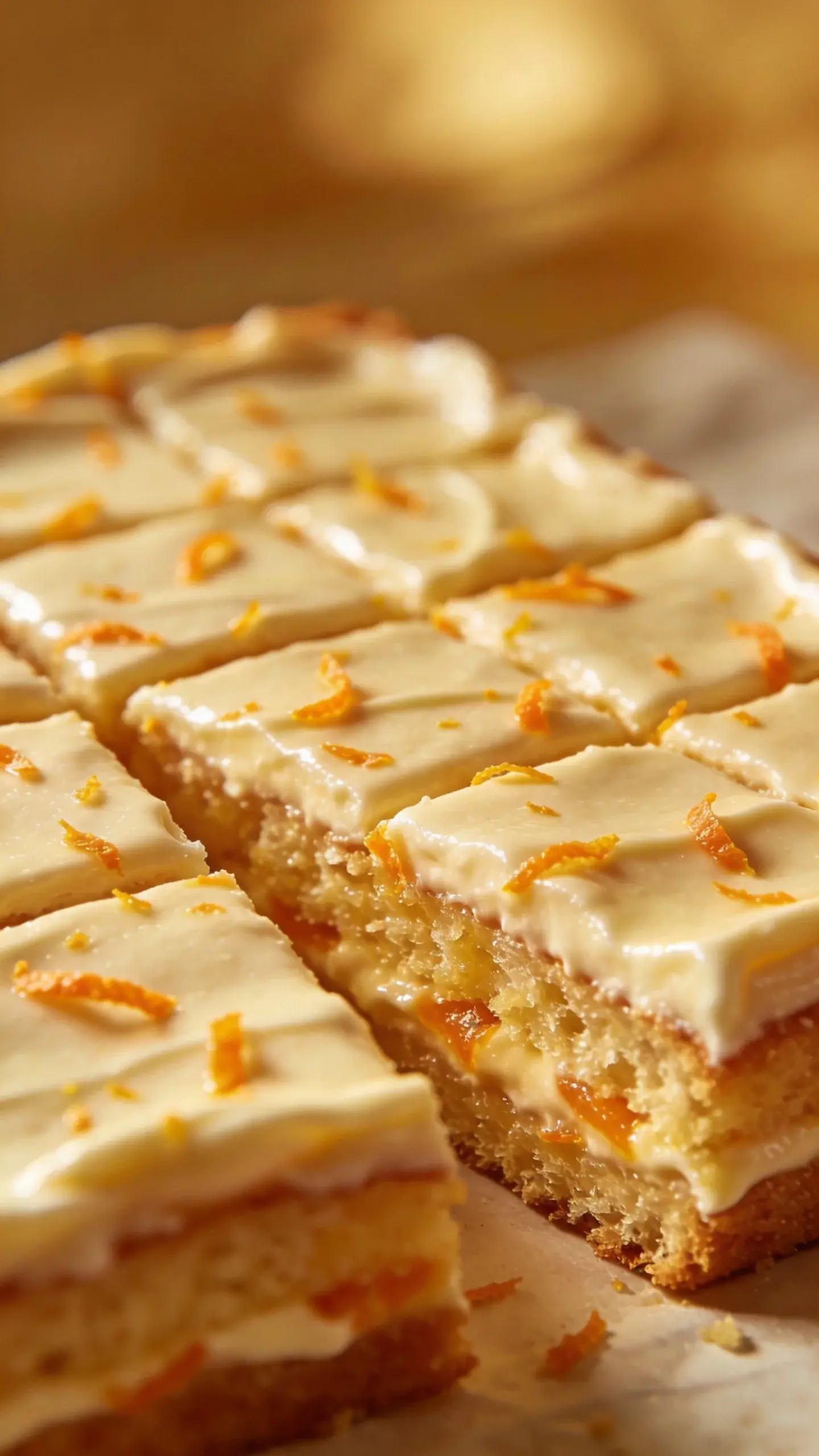
- Whisk glaze ingredients until smooth, then drizzle over the cake. Let it set a few minutes before slicing.
Glaze Like a Pro: The Citrus Shine
The glaze is the exclamation point. You want it glossy, not opaque, and just pourable enough to melt into the top. If it feels too thick, splash in a touch more juice. If it’s too thin, whisk in a pinch more powdered sugar. It should glaze the surface with a thin, even layer and catch the light when you cut a slice.
Texture Talk: What You Should Expect
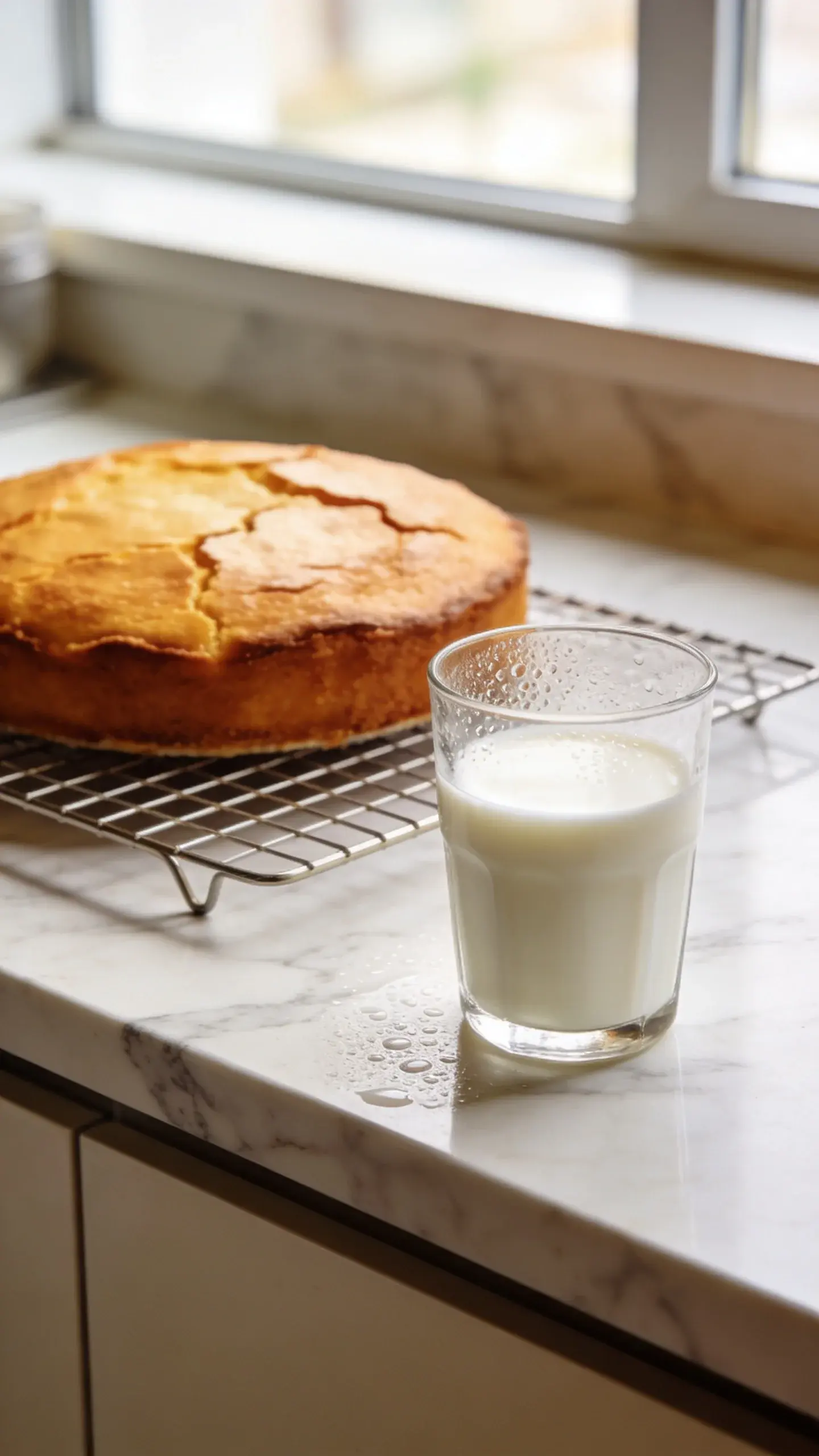
– The cake stays surprisingly soft and springy, thanks to the butter and the even pan bake.
– It’s not dry, but it’s not puddling with moisture either. A well-balanced crumb means you can layer on frosting or serve simply with a dusting of sugar.
– The glaze adds a light sweetness and a little tang. It’s the foil for the vanilla and the brightness of orange.
Serving Suggestions: Make It Your Own
– Serve with a dollop of lightly sweetened whipped cream and a chiffonade of orange zest for color.
– Pair with coffee or Earl Grey for a brunch-y vibe that feels fancy without the fuss.
– For a party, cut into squares and dust with a pinch of orange zest and a tiny sprinkle of edible gold dust. It’s not required, but it looks fancy enough for a celebratory vibe.
Troubleshooting: Common Hiccups and Quick Fixes
The Cake Looks a Little Dense
– This usually means overmixed batter or a pan that was too crowded. Mix just until combined and don’t overwork the batter. Make sure your baking powder is fresh—expired powder can kill rise.
The Glaze Won’t Set
– If your glaze is too runny, add a touch more powdered sugar. If it’s too thick, thin with a teaspoon of orange juice.
The Edges Look Dark or Dried Out
– This can happen if the oven runs hot. Consider lowering the oven by 25 degrees and baking a minute or two longer for a gentler rise.
Reader Hacks: Personalize This Recipe
– Swap in lemon or lime for a different citrus twist. The technique stays the same; the flavor shifts.
– Add poppy seeds or finely chopped dried cranberries for texture. They’ll surprise and delight in every bite.
– If you’re a glaze purist, skip the zest in the glaze and go full-fruit juice instead for a cleaner look.
Substitute Spotlight: Flour Options
– For a denser crumb, use half all-purpose and half cake flour. It lightens the texture.
– If you’re gluten-free, try a 1:1 gluten-free baking blend in place of all-purpose flour. You may need to adjust with a touch more milk to keep moisture.
FAQ: Quick Answers to Common Questions
Can I make this cake a day ahead?
Yes. Bake, cool completely, wrap tightly, and store at room temperature for up to 2 days. Glaze the cake right before serving to keep that glossy finish intact.
Can I freeze the cake?
Absolutely. Freeze baked, unfrosted cake in an airtight container for up to 2 months. Thaw, glaze, and serve. The glaze still crisps up nicely on thawing, FYI.
What if I don’t have vanilla extract?
You can use 1 teaspoon of vanilla bean paste or the seeds from half a vanilla bean. If you’re really out, you can skip it, but the cake will taste a touch flatter.
Do I really need orange juice in the batter?
You’ll get a brighter, more cohesive orange flavor with it. If you’re short, you can substitute with more zest and a splash of milk, but the citrus punch won’t be as pronounced.
How do I know when it’s done without a toothpick test?
The cake should spring back slightly when pressed, and the edges will pull away from the pan a bit. If in doubt, give it a few more minutes, then test again. Better to underbake a hair than overbake and dry it out.
Conclusion: A Bright, No-Fuss Favorite
This Orange Vanilla Sheet Cake with Citrus Glaze is the kind of bake you reach for on mornings when you need sunshine, or on weekends when you want a dessert that says, “Yes, I can do this.” It’s approachable, forgiving, and totally crowd-pleasing. IMO, it’s the sweet spot between everyday baking and something that feels special enough for guests. So grab your zest and your glaze, and get ready to share a slice of sunny goodness.
