
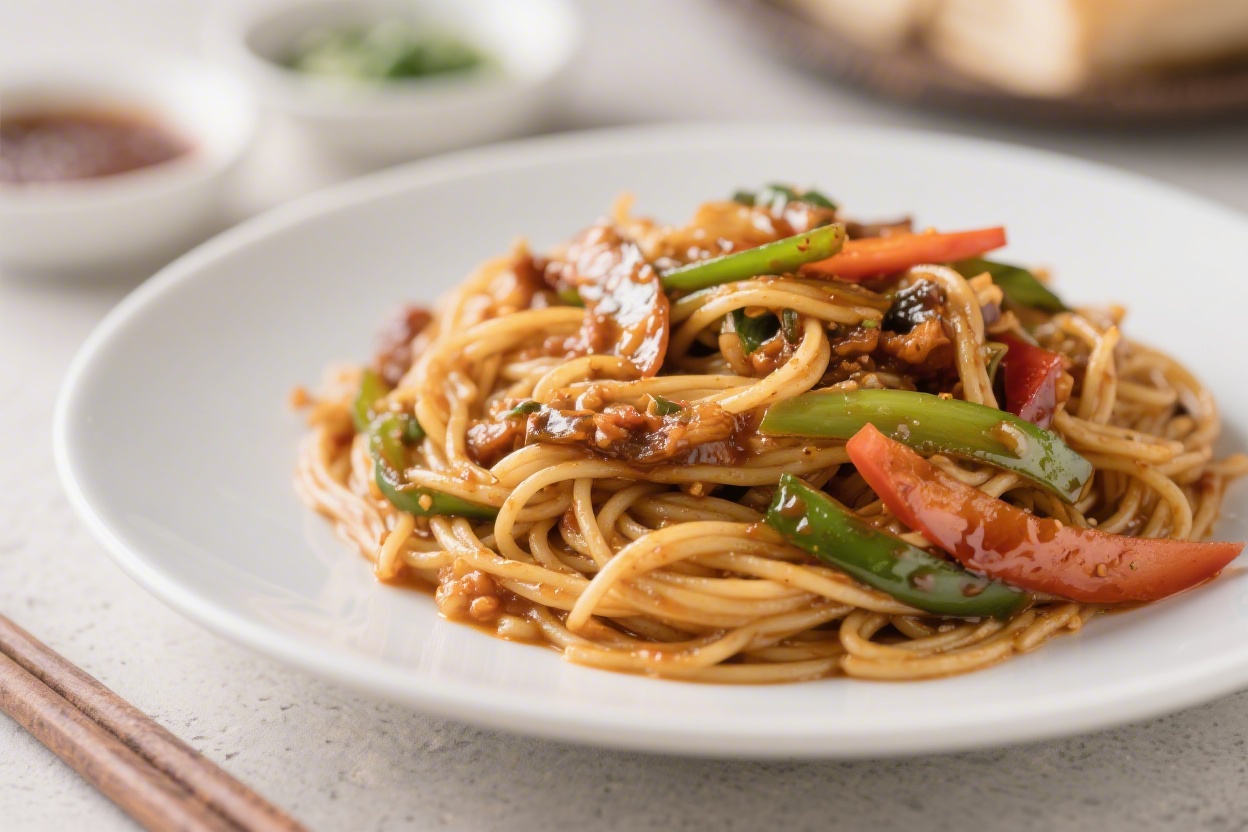
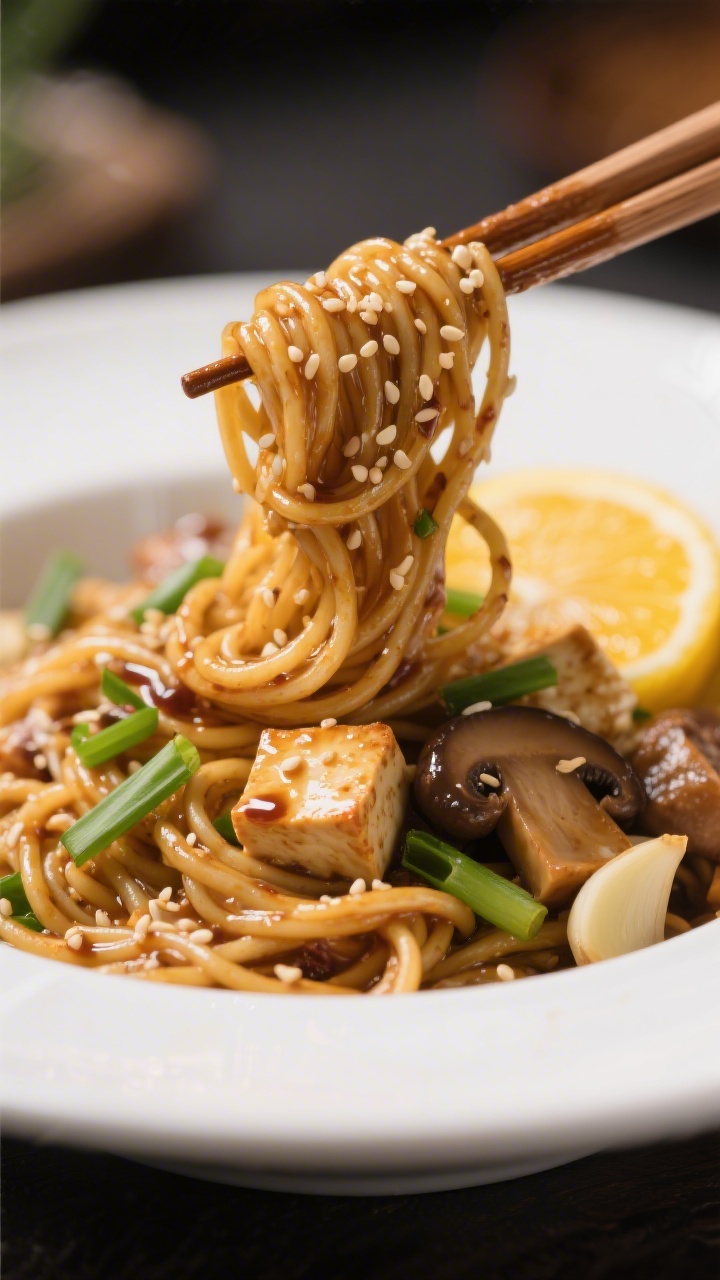
This Quick Asian Stir-Fry Spaghetti brings together the comfort of pasta with the bold, savory flavors of your favorite takeout noodles. It’s fast, flexible, and uses pantry staples you probably already have. The sauce coats every strand, the veggies stay crisp-tender, and dinner lands on the table in under 30 minutes.
No special equipment or rare ingredients needed—just a big skillet and some heat. If you love simple cooking with big payoff, this is your new go-to.
Quick Asian Stir-Fry Spaghetti – Fast, Flavorful, Weeknight-Friendly
Ingredients
- Spaghetti: 12 oz (about 3/4 of a standard box), cooked al dente
- Neutral oil: 2 tablespoons (canola, peanut, or avocado oil)
- Garlic: 3 cloves, finely chopped
- Ginger: 1 tablespoon, finely grated
- Scallions: 4, sliced (whites and greens separated)
- Mixed vegetables: 4 cups total (such as bell pepper, snap peas, carrots, broccoli, mushrooms, or cabbage), sliced thin
- Protein (optional): 10–12 oz thinly sliced chicken, beef, shrimp, tofu, or tempeh
- Soy sauce: 3 tablespoons (use low-sodium if preferred)
- Oyster sauce or hoisin: 2 tablespoons
- Rice vinegar: 1 tablespoon
- Sesame oil: 1–2 teaspoons
- Brown sugar or honey: 1–2 teaspoons
- Chili-garlic sauce or sriracha: 1–2 teaspoons (optional, to taste)
- Cornstarch: 1 teaspoon, mixed with 2 tablespoons water (optional, for a thicker sauce)
- Sesame seeds: 1 tablespoon, for garnish
- Lime or lemon: 1, cut into wedges (optional)
- Salt and pepper: To taste
Instructions
- Cook the spaghetti. Boil in salted water until just al dente. Drain and rinse briefly under cool water to stop cooking. Toss with a drizzle of oil to prevent sticking.
- Prep the sauce. In a bowl, whisk soy sauce, oyster or hoisin, rice vinegar, sesame oil, and brown sugar or honey. Add chili sauce if you like heat. If you want a thicker glaze, stir in the cornstarch slurry.
- Heat the pan. Set a large skillet or wok over medium-high to high heat. Add 1 tablespoon oil and swirl to coat. You want it hot before anything hits the pan.
- Sear the protein (if using). Season lightly with salt and pepper. Stir-fry until just cooked through and browned at the edges, 2–4 minutes. Transfer to a plate.
- Stir-fry aromatics. Add the remaining oil. Toss in garlic, ginger, and scallion whites. Stir for 20–30 seconds until fragrant—don’t let them burn.
- Cook the vegetables. Add the harder veggies first (carrots, broccoli), stir 1–2 minutes. Then add quicker-cooking ones (bell pepper, snap peas, mushrooms, cabbage). Cook until crisp-tender, about 3–5 minutes. Season with a pinch of salt.
- Combine everything. Return the protein to the pan. Add the cooked spaghetti. Pour in the sauce. Toss over high heat for 1–2 minutes until the noodles are well-coated and glossy. If it looks dry, splash in a bit of water or stock.
- Finish and serve. Turn off the heat. Sprinkle with scallion greens and sesame seeds. Taste and adjust with a squeeze of lime, extra soy, or more chili. Serve hot.
Why This Recipe Works
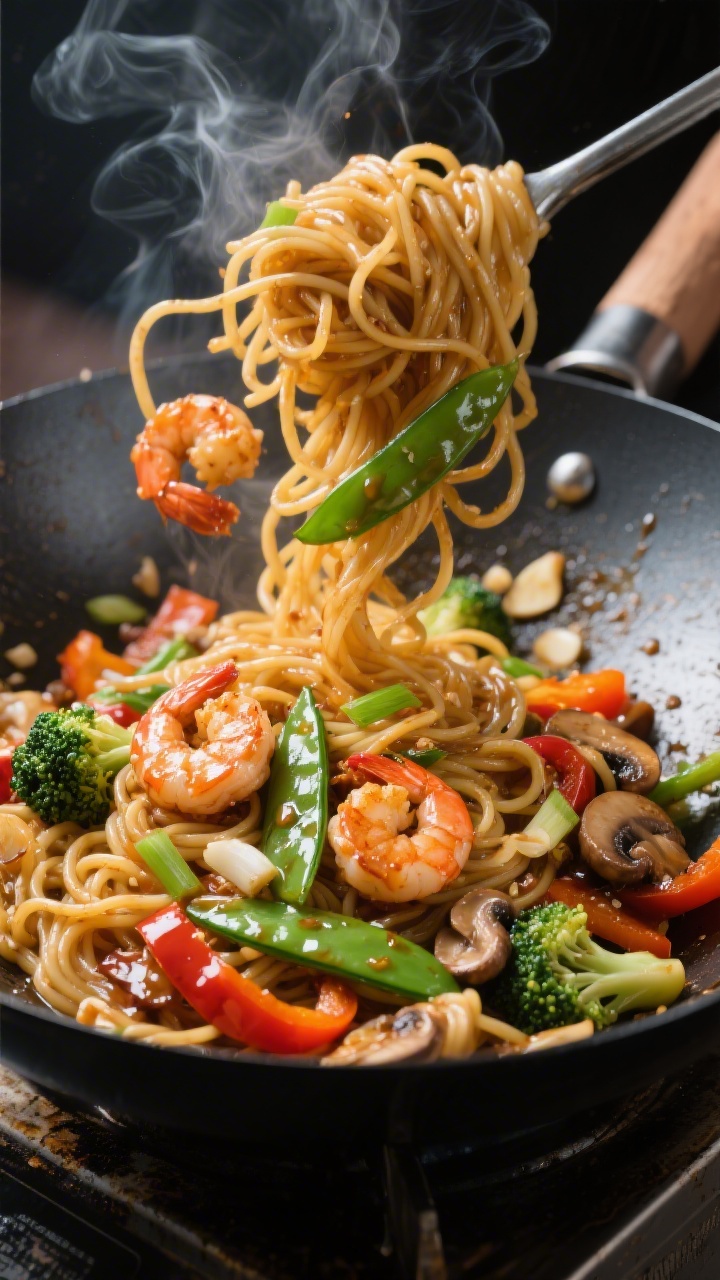
This recipe leans on high heat and quick cooking, which keeps the vegetables bright and the noodles bouncy. The sauce balances salty, sweet, tangy, and umami flavors, so every bite tastes complete.
Spaghetti stands in perfectly for Asian noodles, and it’s easier to find. The technique is forgiving, letting you swap vegetables and proteins based on what’s in your fridge. Cleanup is minimal, and the flavor is anything but.
What You’ll Need
- Spaghetti: 12 oz (about 3/4 of a standard box), cooked al dente
- Neutral oil: 2 tablespoons (canola, peanut, or avocado oil)
- Garlic: 3 cloves, finely chopped
- Ginger: 1 tablespoon, finely grated
- Scallions: 4, sliced (whites and greens separated)
- Mixed vegetables: 4 cups total (such as bell pepper, snap peas, carrots, broccoli, mushrooms, or cabbage), sliced thin
- Protein (optional): 10–12 oz thinly sliced chicken, beef, shrimp, tofu, or tempeh
- Soy sauce: 3 tablespoons (use low-sodium if preferred)
- Oyster sauce or hoisin: 2 tablespoons
- Rice vinegar: 1 tablespoon
- Sesame oil: 1–2 teaspoons
- Brown sugar or honey: 1–2 teaspoons
- Chili-garlic sauce or sriracha: 1–2 teaspoons (optional, to taste)
- Cornstarch: 1 teaspoon, mixed with 2 tablespoons water (optional, for a thicker sauce)
- Sesame seeds: 1 tablespoon, for garnish
- Lime or lemon: 1, cut into wedges (optional)
- Salt and pepper: To taste
Instructions
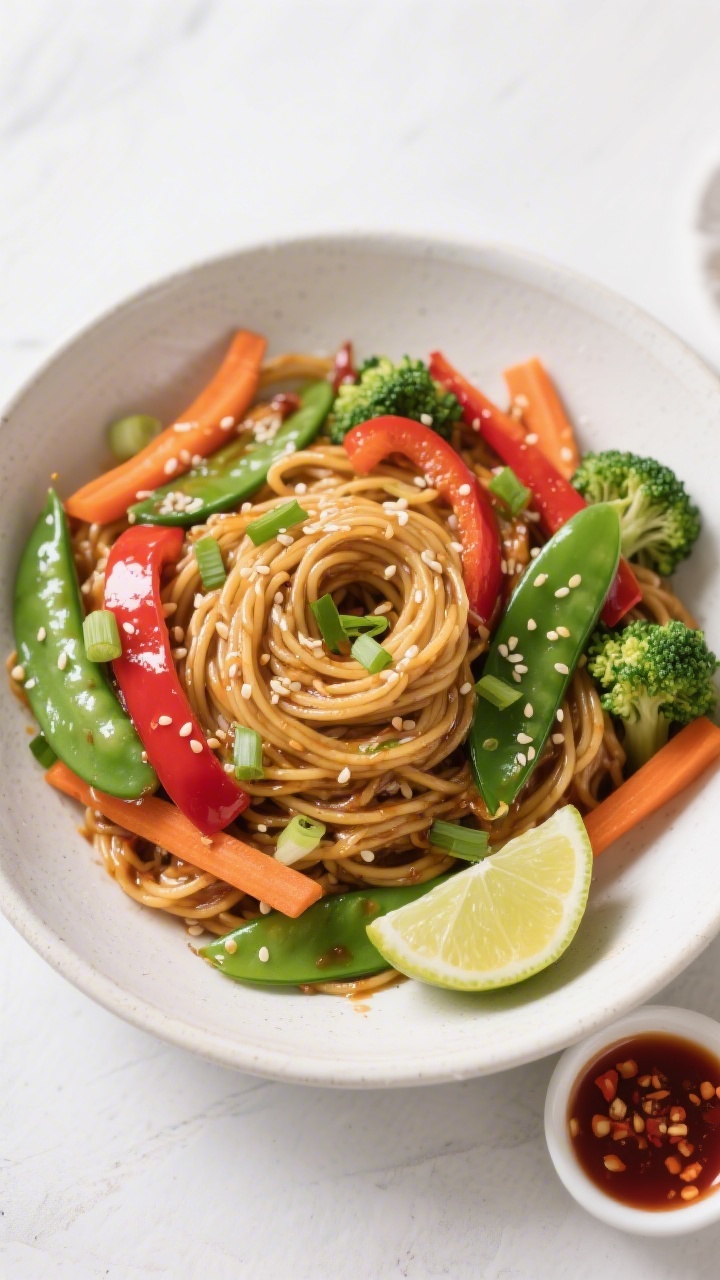
- Cook the spaghetti. Boil in salted water until just al dente.
Drain and rinse briefly under cool water to stop cooking. Toss with a drizzle of oil to prevent sticking.
- Prep the sauce. In a bowl, whisk soy sauce, oyster or hoisin, rice vinegar, sesame oil, and brown sugar or honey. Add chili sauce if you like heat.
If you want a thicker glaze, stir in the cornstarch slurry.
- Heat the pan. Set a large skillet or wok over medium-high to high heat. Add 1 tablespoon oil and swirl to coat. You want it hot before anything hits the pan.
- Sear the protein (if using). Season lightly with salt and pepper.
Stir-fry until just cooked through and browned at the edges, 2–4 minutes. Transfer to a plate.
- Stir-fry aromatics. Add the remaining oil. Toss in garlic, ginger, and scallion whites.
Stir for 20–30 seconds until fragrant—don’t let them burn.
- Cook the vegetables. Add the harder veggies first (carrots, broccoli), stir 1–2 minutes. Then add quicker-cooking ones (bell pepper, snap peas, mushrooms, cabbage). Cook until crisp-tender, about 3–5 minutes.
Season with a pinch of salt.
- Combine everything. Return the protein to the pan. Add the cooked spaghetti. Pour in the sauce.
Toss over high heat for 1–2 minutes until the noodles are well-coated and glossy. If it looks dry, splash in a bit of water or stock.
- Finish and serve. Turn off the heat. Sprinkle with scallion greens and sesame seeds.
Taste and adjust with a squeeze of lime, extra soy, or more chili. Serve hot.
Keeping It Fresh
Stir-fry moves fast, so have everything chopped and measured before you start. This keeps veggies crisp and noodles from overcooking.
For leftovers, cool quickly and store in an airtight container for up to 3 days. Reheat in a hot skillet with a splash of water to loosen the sauce. If you plan ahead, undercook the spaghetti slightly so it reheats perfectly.
Benefits of This Recipe
- Speed: From start to finish in under 30 minutes, even with chopping.
- Flexible: Works with almost any vegetable or protein you have on hand.
- Balanced flavor: Sweet, salty, tangy, and umami in a single pan.
- Approachable: Uses common pantry ingredients and simple steps.
- Meal prep friendly: Holds up well for lunch the next day.
- Budget-wise: A little sauce and veg go a long way with pasta.
What Not to Do
- Don’t overcook the pasta. Mushy noodles won’t hold the sauce or stir-fry well.
- Don’t crowd the pan. Overloading drops the heat and steams the vegetables.
Cook in batches if needed.
- Don’t skip the aromatics. Garlic, ginger, and scallions build the base flavor fast.
- Don’t add cold, wet noodles. Drain well and toss with a little oil so they don’t clump.
- Don’t over-salt early. Sauces like soy and oyster are salty; taste before adding more.
Recipe Variations
- Garlic-Butter Teriyaki: Swap sesame oil for a pat of butter and use teriyaki sauce in place of oyster/hoisin. Add mushrooms and corn for sweetness.
- Spicy Sesame Peanut: Whisk in 2 tablespoons peanut butter and a splash of hot water to the sauce, plus extra chili-garlic. Top with crushed peanuts.
- Lemon-Ginger Shrimp: Use shrimp as the protein, add extra ginger, and finish with plenty of lemon zest and juice.
- Veggie-Loaded: Double the vegetables and skip the protein.
Add edamame or chickpeas for a boost.
- Beef and Broccoli: Use thinly sliced flank steak, more soy, and a touch more cornstarch. Keep the veg simple: just broccoli and scallions.
- Gluten-Free: Swap spaghetti for gluten-free pasta or rice noodles and use tamari and a gluten-free oyster/hoisin alternative.
- Low-Sodium: Use low-sodium soy, skip added salt, and brighten with citrus instead.
FAQ
Can I use leftover spaghetti?
Yes. Leftover spaghetti works great.
Break up any clumps with a drizzle of oil and warm it briefly so it blends more easily with the sauce.
What if I don’t have oyster or hoisin sauce?
Use more soy sauce plus a bit of honey and a splash of Worcestershire, or add a spoon of miso for depth. It won’t be identical, but it will still taste balanced and savory.
Which vegetables are best?
Choose quick-cooking, colorful veggies: bell peppers, snap peas, carrots, broccoli, mushrooms, cabbage, and bean sprouts. Slice them thin so they cook fast without getting soggy.
Do I really need a wok?
No.
A large, heavy skillet works perfectly. The key is high heat and enough space to toss everything without steaming.
How do I keep the noodles from sticking?
Rinse briefly after boiling, toss with a little oil, and add them to the pan while tossing continuously with the sauce. If they clump, splash in water or stock to loosen.
Can I make it vegetarian or vegan?
Absolutely.
Use tofu or tempeh, and pick a vegan oyster-style sauce or stick with hoisin and soy. Finish with toasted sesame seeds and extra veggies.
Is there a way to add more protein without meat?
Yes. Add edamame, tofu, tempeh, or a scrambled egg folded in at the end.
Nuts like peanuts or cashews also add protein and crunch.
How spicy is this?
It’s as spicy as you make it. Start with a small amount of chili sauce and build up. You can also serve extra on the side so everyone adjusts their own bowl.
Can I double the recipe?
Yes, but cook the vegetables and noodles in batches.
Then combine everything at the end with the sauce. This keeps the texture lively.
What’s the best way to reheat?
Use a hot skillet with a splash of water or stock, tossing until warmed through. The microwave works in a pinch, but add a few drops of water and cover to prevent dryness.
Final Thoughts
Quick Asian Stir-Fry Spaghetti is the kind of weeknight dish that punches way above its weight.
It’s fast to make, satisfying to eat, and endlessly adaptable to what you have. Keep the sauce simple, the heat high, and the veggies crisp. With a squeeze of citrus and a sprinkle of sesame, you’ll have a noodle bowl that tastes fresh and homemade every time.
Printable Recipe Card
Want just the essential recipe details without scrolling through the article? Get our printable recipe card with just the ingredients and instructions.
