
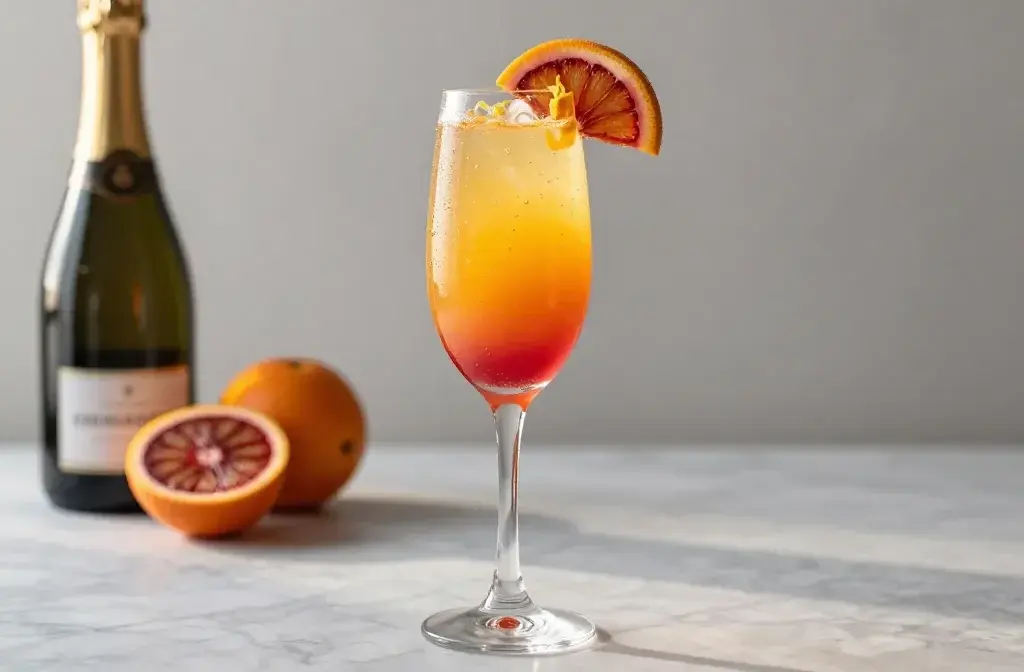
You want a mimosa that turns heads and tastes like a sunset? Meet the Blood Orange Mimosa. It’s zesty, dramatic, and ridiculously easy to make. You’ll pour one, take a sip, and immediately wonder why you ever settled for regular OJ. Spoiler: you won’t go back.
Why Blood Orange Beats Regular Orange (Every Time)
Blood oranges bring a deeper citrus flavor with hints of raspberry and berry sweetness. That means you get a mimosa that tastes more complex and looks like a jewel in your glass. Regular orange juice? Love it, respect it, but the blood orange has that extra oomph.
You also get that gorgeous ruby hue. It’s not just pretty — it signals flavor intensity. If you want a mimosa that feels a little fancy without trying too hard, this is it.
The Simple Formula (And the One Rule That Matters)
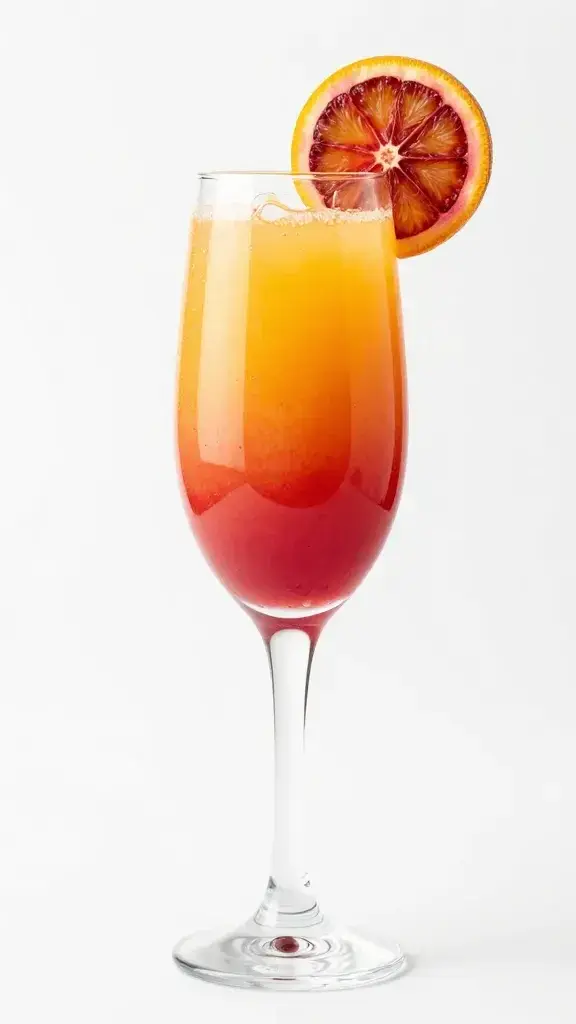
You can riff like a jazz musician later, but start here:
- 2 parts chilled sparkling wine (Brut or Extra Brut prosecco or champagne)
- 1 part fresh blood orange juice
That’s it. The only rule? Keep everything cold. Warm juice flattens bubbles faster than bad small talk. Chill the bottle, chill the juice, chill the glasses if you feel fancy. FYI, cold equals crisp.
Fresh Juice vs. Bottled: The Verdict
Freshly squeezed blood orange juice wins. Every. Time. Bottled versions can taste muted or too sweet. If you must use bottled, look for “not from concentrate” and no added sugar.
Choosing the Right Bubbles
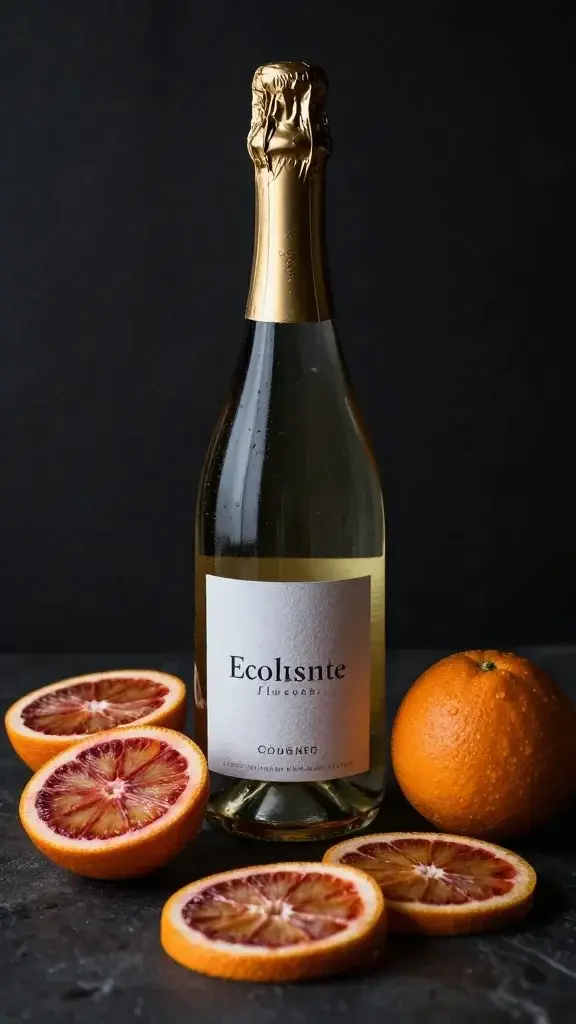
You don’t need to blow your budget on champagne. You just need crisp, dry bubbles that won’t fight the citrus.
- Prosecco (Brut or Extra Brut): Fruity, affordable, super drinkable.
- Cava (Brut): Clean, dry, a little toasty, great with tangy juice.
- Champagne (Brut): Splurge-worthy for special brunches. It adds complexity.
Skip anything too sweet (Demi-Sec, Asti) unless you like very sweet mimosas. IMO, the juice brings enough sugar.
Glassware That Does the Job
Flutes and coupes both work. Flutes keep bubbles lively longer. Coupes look glam and slightly reckless. Your call. Just avoid giant wine glasses unless you enjoy flat mimosas by the third sip.
How to Make a Blood Orange Mimosa Like You Mean It
Let’s build one like a pro, no shaker required.
- Chill everything. Bottle, juice, glasses. Non-negotiable.
- Juice the oranges. Strain if you dislike pulp.
- Pour the sparkling wine first. About two-thirds of the glass.
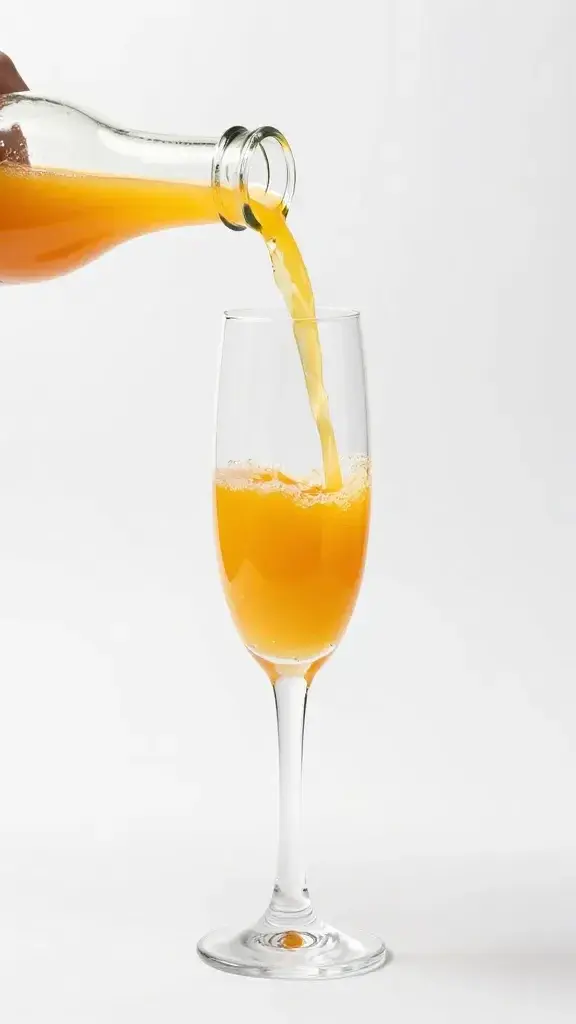
- Top with blood orange juice. Pour slowly down the side to preserve bubbles.
- Garnish. A skinny orange wheel, twist, or a sprig of mint if you’re feeling extra.
Why wine first? You control the foam and avoid a volcano situation. Plus, you can tweak the ratio as you go.
Batching for a Crowd
Hosting brunch? Mix in a pitcher right before serving:
- 1 bottle sparkling wine (750 ml)
- 1.5 to 2 cups blood orange juice, chilled
Pour the wine into the pitcher and gently add the juice. Stir once, slowly. Serve immediately. Don’t make it hours in advance unless you enjoy sad bubbles.
Flavor Upgrades (If You’re Feeling Fancy)
Want to add personality? Keep it subtle so you don’t bulldoze the citrus.
- Herbal twist: Smack a basil or rosemary sprig and drop it in. Aromatics = instant glow-up.
- Bitters: One or two dashes of orange or grapefruit bitters sharpen the edges.
- Liqueur: A 0.25 oz splash of Cointreau or elderflower liqueur. Don’t overdo it.
- Vanilla kiss: Tiny drop of vanilla extract in the juice. Warm, bakery vibes.
- Salty rim (trust me): Half-rim with flaky salt and sugar. It’s brunch meets beach.
Mocktail Magic
Going zero-proof? You’ll still win brunch.
- Dry non-alcoholic bubbles (NA prosecco or sparkling tea)
- Fresh blood orange juice
Stick to the same 2:1 ratio. Bonus: a splash of tonic or a dash of bitters (alcohol-free) adds bite.
Seasonality, Sourcing, and Storage
Blood oranges peak in winter through early spring, depending on where you live. The best ones feel heavy for their size and give slightly when you press the peel. Color varies — don’t panic if the flesh isn’t fully crimson. Flavor still slaps.
Store whole oranges in the fridge for up to two weeks. Juice keeps for 2–3 days in a sealed container. It can separate, so shake it like a Polaroid picture before using.
Pro Tip: Color Pop
If your juice skews light pink, add a spoonful of pomegranate juice per glass. It deepens color and adds tart sparkle. No one needs to know.
What to Serve With Your Blood Orange Mimosa
This drink loves salty, savory, and creamy dishes. It cuts through richness like a champ.
- Smoked salmon toast with lemony cream cheese and capers
- Soft scrambled eggs with chives and goat cheese
- Crispy potatoes with rosemary and sea salt
- Ricotta pancakes with citrus zest and honey
- Prosciutto and melon for a sweet-salty duet
FYI, pastries work too, but the sweetness stacks fast. Balance = happy palate.
Common Pitfalls (And Easy Fixes)
Let’s dodge the usual traps:
- Too sweet? Use drier bubbles, add a squeeze of lemon, or cut the juice to a 3:1 ratio.
- Too flat? Everything wasn’t cold. Start over, this time with chilled gear.
- Bland juice? Add a small pinch of salt. It wakes flavors up like espresso for citrus.
- Overpowering bitterness? Your oranges might be underripe. Add a dash of simple syrup or swap in a sweeter prosecco.
FAQ
Do I need champagne, or will prosecco work?
Prosecco works beautifully and keeps the vibe chill and affordable. Champagne adds complexity and a toasty edge, but it’s not required. Go Brut or Extra Brut either way to keep sweetness in check.
Can I make these ahead of time?
You can prep the juice ahead and chill everything, but don’t combine until you’re ready to serve. Once you mix, the bubbles start the countdown clock. Pitcher now, pour now — not “see you in an hour.”
What if blood oranges aren’t in season?
Use a blend: 2 parts fresh orange juice and 1 part grapefruit or pomegranate juice for color and tang. It’s not identical, but it lands in the same delicious neighborhood.
How do I scale for a party?
One 750 ml bottle of sparkling wine yields about 6–8 mimosas, depending on glass size. For each bottle, plan 1.5–2 cups of juice. Multiply as needed and keep a backup bottle cold, because someone always says, “Just one more.”
Should I strain the juice?
If pulp bugs you, absolutely strain. If you like a little texture and extra body, skip it. IMO, lightly strained gives the best sip without losing character.
What garnish works best?
A thin blood orange wheel looks stunning and adds aroma. A citrus twist smells amazing and feels classic. Mint brightens the nose, but use a small sprig so it doesn’t hijack the glass.
Wrap-Up: The Brunch Glow-Up You Deserve
The Blood Orange Mimosa nails that sweet spot between simple and special. You get bold citrus, lively bubbles, and a color that practically winks at you. Keep it cold, keep it dry, and don’t overcomplicate it. Then toast to the fact that you just upgraded brunch with almost zero effort — which, IMO, is the dream.
