
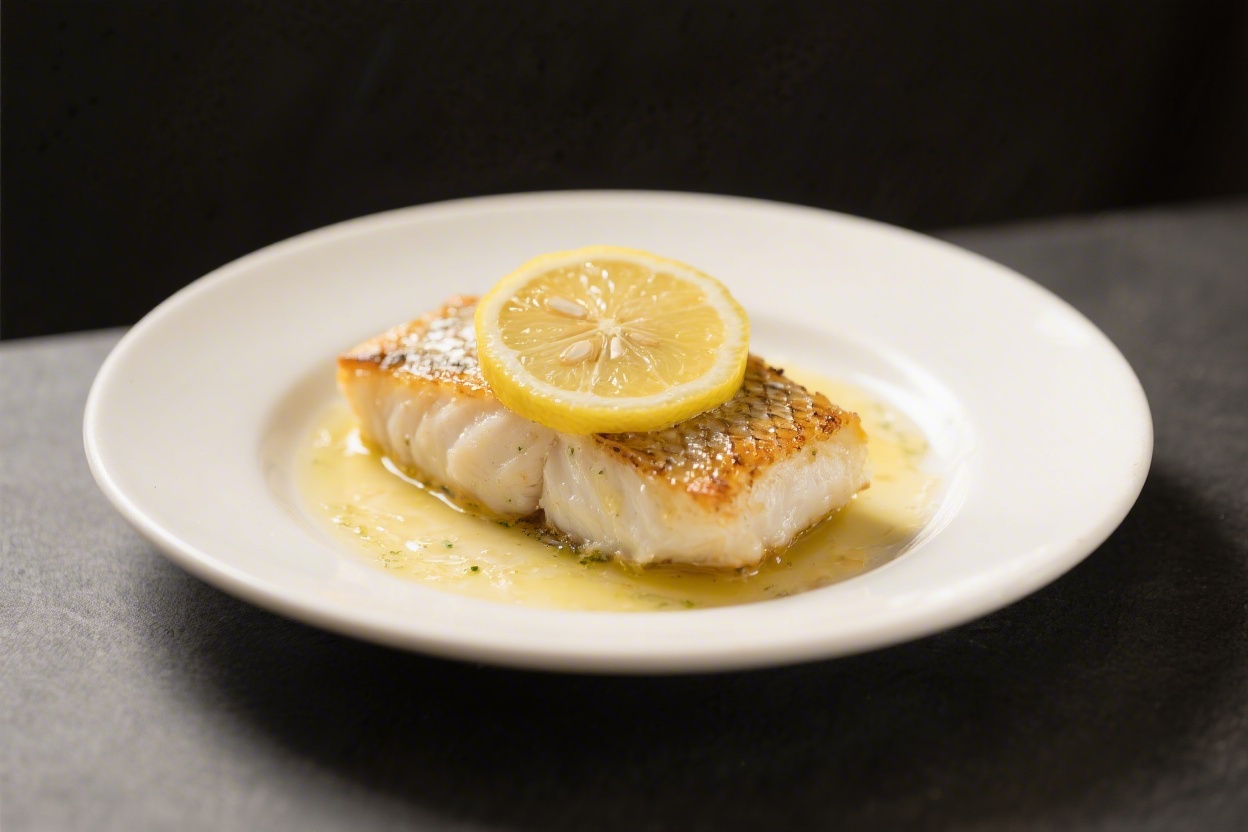
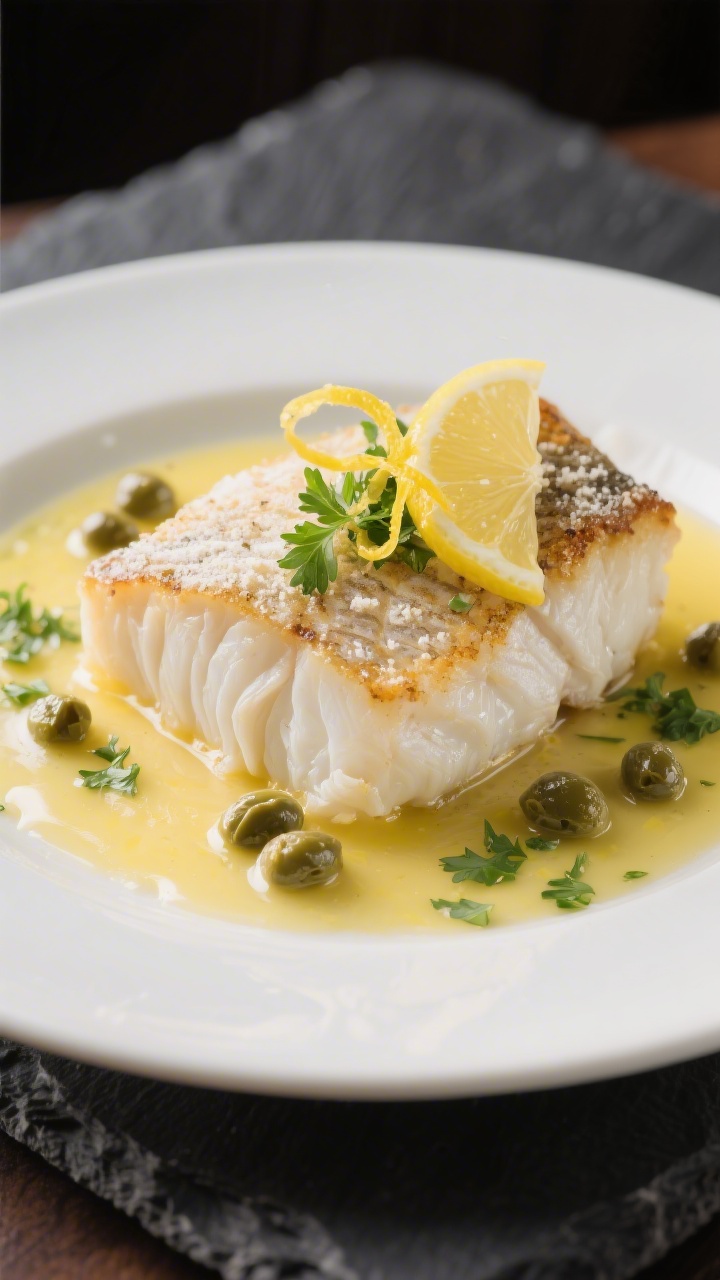
Cod in a lemon butter sauce is the kind of weeknight win that tastes like a quiet luxury. It’s quick, uses everyday ingredients, and delivers clean, vibrant flavor without much effort. The fish stays tender and flaky, while the sauce is silky and full of fresh citrus.
Even if you’re new to cooking fish, this one is friendly and forgiving. Keep the heat moderate, watch for the flesh to turn opaque, and you’ll have a polished dinner on the table fast.
Lemon Butter Cod - Bright, Buttery, and Ready in Minutes
Ingredients
- Cod fillets (4 fillets, about 5–6 ounces each), skinless if possible
- Unsalted butter (5 tablespoons)
- Olive oil (1 tablespoon)
- Fresh lemon (1 large, for juice and zest)
- Garlic (2–3 cloves, finely minced)
- Fresh parsley (2 tablespoons, chopped)
- Salt and black pepper
- All-purpose flour (2 tablespoons, optional, for light dredging)
- Red pepper flakes (a pinch, optional)
- Capers (1 tablespoon, optional, for briny contrast)
- Lemon wedges (for serving)
Instructions
- Prep the fish. Pat the cod fillets dry on all sides. This helps them brown and keeps them from steaming. Season both sides with salt and pepper.
- Optional light dredge. If you want a delicate crust, dust the fillets with a thin layer of flour, shaking off the excess. This also helps the sauce cling to the fish.
- Heat the pan. Set a large skillet over medium to medium-high heat. Add the olive oil and 1 tablespoon of butter. When the butter melts and foams, the pan is ready.
- Cook the cod. Lay the fillets in the pan, presentation side down. Cook without moving for 3–4 minutes, until the edges turn opaque and the bottom is lightly golden.
- Flip gently. Use a thin spatula to flip the fillets. Cook another 2–4 minutes, depending on thickness. The fish is done when it flakes easily and looks opaque throughout.
- Transfer and tent. Move the cooked cod to a warm plate and loosely tent with foil. This keeps it hot and moist while you make the sauce.
- Build the lemon butter sauce. Lower the heat to medium-low. Add the remaining 4 tablespoons of butter to the skillet. Stir in the minced garlic and cook for 30–45 seconds until fragrant, not browned.
- Add lemon and extras. Stir in the lemon zest and 2–3 tablespoons of fresh lemon juice. If using, add capers and a pinch of red pepper flakes. Swirl the pan to combine. Taste and adjust salt, pepper, and lemon as needed.
- Finish with herbs. Turn off the heat and stir in the chopped parsley. The sauce should be glossy and balanced—bright, buttery, and lightly garlicky.
- Serve. Spoon the sauce over the cod. Add lemon wedges on the side for extra zing. Pair with rice, roasted potatoes, or a simple green salad.
Why This Recipe Works
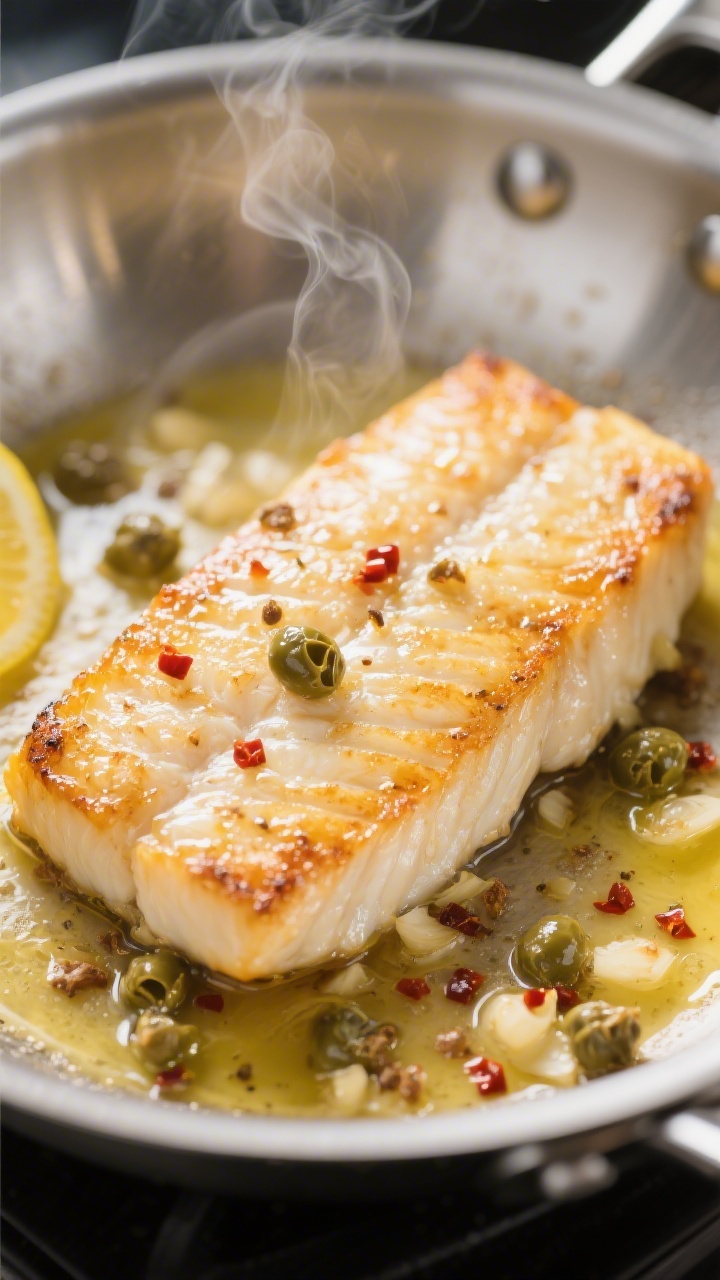
The magic here comes from balance. Cod is mild and lean, so a rich, lemony butter sauce adds both moisture and flavor without overpowering the fish.
A quick pan-sear builds light browning, giving the fish a gentle crust and better texture. Finishing with lemon juice and zest brightens the whole dish, while garlic and a hint of parsley bring it together. Cooking the fish in one pan keeps cleanup minimal.
The sauce comes together in the same skillet, picking up any browned bits and turning them into flavor. With a few small technique points—patting the fish dry, seasoning well, and not overcooking—you get consistent, restaurant-level results at home.
What You’ll Need
- Cod fillets (4 fillets, about 5–6 ounces each), skinless if possible
- Unsalted butter (5 tablespoons)
- Olive oil (1 tablespoon)
- Fresh lemon (1 large, for juice and zest)
- Garlic (2–3 cloves, finely minced)
- Fresh parsley (2 tablespoons, chopped)
- Salt and black pepper
- All-purpose flour (2 tablespoons, optional, for light dredging)
- Red pepper flakes (a pinch, optional)
- Capers (1 tablespoon, optional, for briny contrast)
- Lemon wedges (for serving)
How to Make It
- Prep the fish. Pat the cod fillets dry on all sides. This helps them brown and keeps them from steaming.Season both sides with salt and pepper.
- Optional light dredge. If you want a delicate crust, dust the fillets with a thin layer of flour, shaking off the excess. This also helps the sauce cling to the fish.
- Heat the pan. Set a large skillet over medium to medium-high heat. Add the olive oil and 1 tablespoon of butter.When the butter melts and foams, the pan is ready.
- Cook the cod. Lay the fillets in the pan, presentation side down. Cook without moving for 3–4 minutes, until the edges turn opaque and the bottom is lightly golden.
- Flip gently. Use a thin spatula to flip the fillets. Cook another 2–4 minutes, depending on thickness.The fish is done when it flakes easily and looks opaque throughout.
- Transfer and tent. Move the cooked cod to a warm plate and loosely tent with foil. This keeps it hot and moist while you make the sauce.
- Build the lemon butter sauce. Lower the heat to medium-low. Add the remaining 4 tablespoons of butter to the skillet.Stir in the minced garlic and cook for 30–45 seconds until fragrant, not browned.
- Add lemon and extras. Stir in the lemon zest and 2–3 tablespoons of fresh lemon juice. If using, add capers and a pinch of red pepper flakes. Swirl the pan to combine.Taste and adjust salt, pepper, and lemon as needed.
- Finish with herbs. Turn off the heat and stir in the chopped parsley. The sauce should be glossy and balanced—bright, buttery, and lightly garlicky.
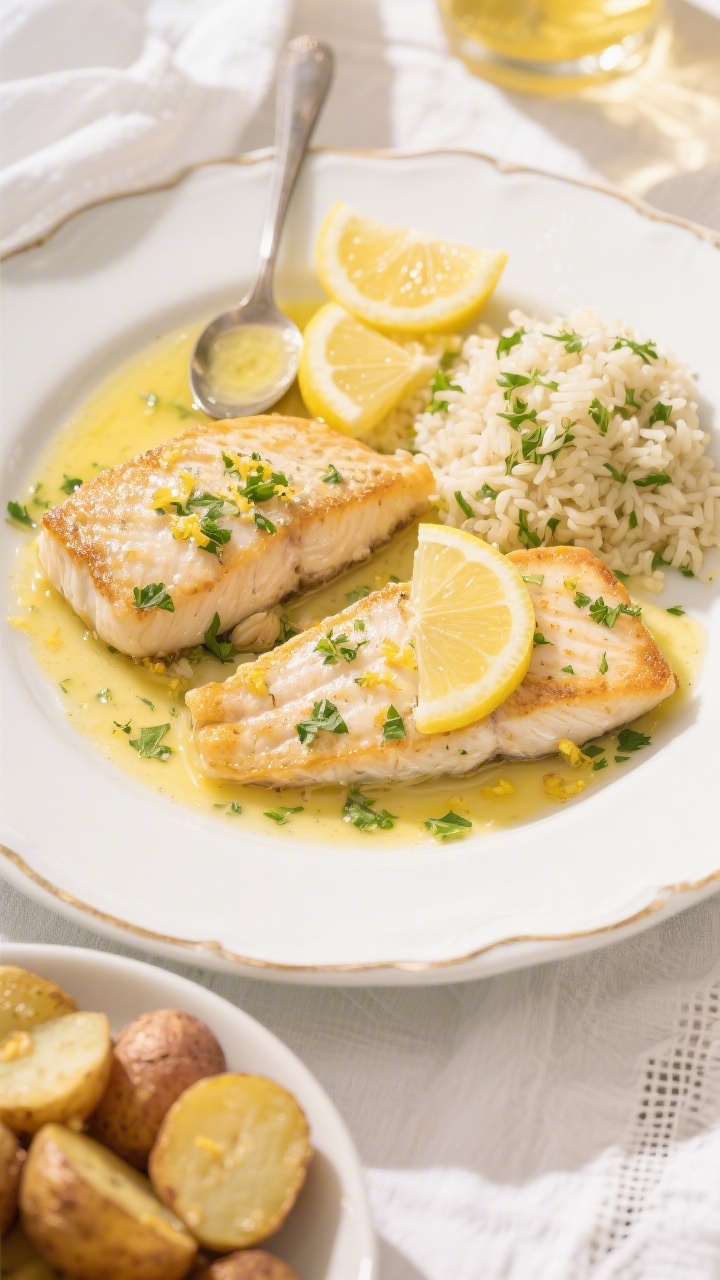
- Serve. Spoon the sauce over the cod. Add lemon wedges on the side for extra zing.Pair with rice, roasted potatoes, or a simple green salad.
Keeping It Fresh
Leftover cod is best within 1–2 days. Store it in an airtight container in the fridge with a little extra sauce to keep it moist. Reheat gently over low heat on the stovetop, or in the microwave at 50% power in short bursts, just until warm.
If you want to prep ahead, you can mince the garlic, chop the parsley, and zest the lemon up to a day in advance. Avoid cooking the fish ahead of time. Cod is most tender the day it’s made.
For freezing, it’s better to freeze raw cod and cook it fresh; cooked cod can turn dry when thawed.
Benefits of This Recipe
- Fast and simple: From start to finish, you’re looking at about 20 minutes.
- Light yet satisfying: Lean fish with a small amount of butter gives fullness without heaviness.
- Balanced flavor: Lemon cuts the richness, garlic adds savor, and parsley brings freshness.
- Flexible sides: Works with grains, pasta, steamed vegetables, or crusty bread.
- Beginner-friendly: Straightforward steps and visual doneness cues.
What Not to Do
- Don’t overcrowd the pan. Too many fillets at once will steam instead of sear. Cook in batches if needed.
- Don’t skip drying the fish. Moisture prevents browning and can make the fillets stick.
- Don’t overcook. Cod goes from juicy to dry quickly. Pull it when it flakes easily and is just opaque.
- Don’t burn the garlic. Bitter garlic can overpower the sauce.Keep the heat moderate and stir constantly.
- Don’t drown the fish in lemon. Start with a few tablespoons and add more to taste. You want brightness, not sourness.
Alternatives
- Fish swaps: Try halibut, haddock, pollock, or tilapia. Adjust cooking time based on thickness.
- Dairy-free: Use a good vegan butter or olive oil.Add a splash of vegetable broth for body.
- Gluten-free: Skip the flour or use a gluten-free blend. The dish works well without dredging.
- Herb variations: Chives, dill, or basil can replace parsley. Dill pairs especially well with lemon and fish.
- Extra richness: Stir in a tablespoon of cream at the end, or finish with a pat of cold butter for extra gloss.
- Pan-to-oven method: For thicker fillets, sear 2 minutes per side, then finish in a 375°F (190°C) oven for 5–8 minutes.
FAQ
How do I know when cod is done?
The fish should be opaque and flake easily with a fork.
If you use a thermometer, aim for about 130–135°F in the thickest part, then let it rest briefly. It will carryover cook slightly.
Can I use frozen cod?
Yes. Thaw it fully in the fridge overnight or under cold running water in its packaging.
Pat very dry before seasoning to avoid excess moisture in the pan.
What pan works best?
A nonstick skillet is the most forgiving. Stainless steel works too if the pan is properly heated and the fish is well dried. Cast iron can work, but keep the heat moderate to avoid over-browning.
Do I have to use capers?
No.
They add a briny note that some people love, but the sauce is excellent without them. If you want a similar effect, a tiny splash of white wine or a few minced olives can add complexity.
Can I make the sauce without garlic?
Absolutely. Skip the garlic and lean on lemon zest and herbs for flavor.
A small shallot, finely minced and softened in butter, is another good option.
What sides go best with lemon butter cod?
Simple sides are ideal. Think steamed asparagus, sautéed spinach, roasted baby potatoes, herbed rice, or a lemony arugula salad. Anything that soaks up the sauce works well.
How do I prevent the fish from sticking?
Dry the fillets, preheat the pan, and don’t move the fish too early.
Once the crust forms, it will release more easily. A thin, flexible spatula helps with flipping.
Is this recipe spicy?
Only if you add red pepper flakes, and even then, it’s mild. Adjust the pinch to your comfort level or leave it out entirely.
Final Thoughts
Lemon Butter Cod is proof that simple ingredients can taste special.
With a hot pan, a gentle touch, and a squeeze of fresh lemon, you get flaky fish and a glossy sauce that feels both cozy and bright. Keep this recipe in your weeknight rotation, and don’t be afraid to make it your own. Swap herbs, tweak the lemon, and serve it with whatever you have on hand.
It’s an easy, elegant staple you’ll come back to often.
Printable Recipe Card
Want just the essential recipe details without scrolling through the article? Get our printable recipe card with just the ingredients and instructions.
