
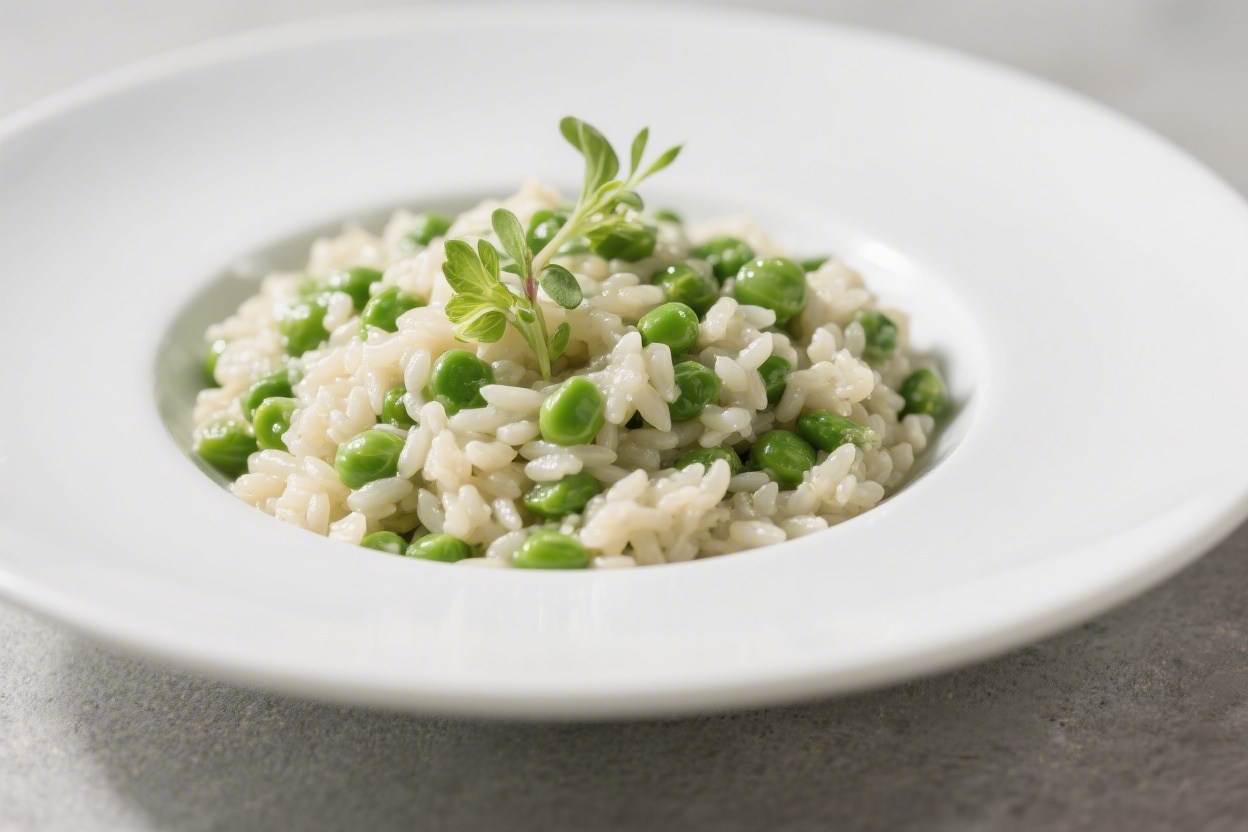
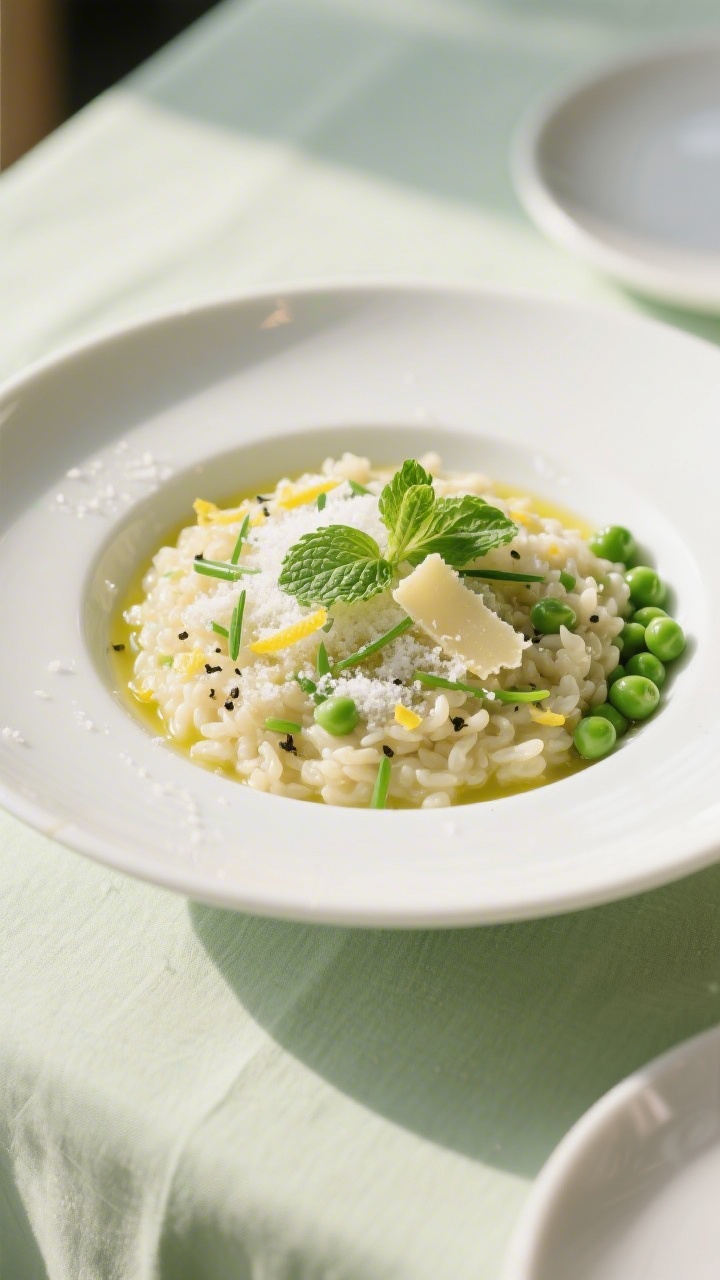
Spring pea risotto is one of those dishes that feels both cozy and fresh at the same time. It’s rich and creamy, but the peas bring a burst of sweetness and color that keeps it light. You don’t need fancy equipment or chef-level skills—just a bit of patience and steady stirring.
This version leans on simple ingredients, gentle technique, and a few smart touches to boost flavor. If you’re craving something satisfying that still tastes like spring, this is the recipe.
Spring Pea Risotto - Creamy, Bright, and Comforting
Ingredients
- 4 cups (1 liter) low-sodium vegetable or chicken broth, kept warm
- 2 tablespoons olive oil
- 2 tablespoons unsalted butter, divided
- 1 small yellow onion, finely diced
- 2 cloves garlic, minced
- 1 1/2 cups arborio rice (or carnaroli, if available)
- 1/2 cup dry white wine (optional but recommended)
- 1 1/2 cups fresh or frozen peas (no need to thaw frozen peas)
- 1/2 cup freshly grated Parmesan cheese (plus more for serving)
- 1 teaspoon lemon zest
- 1–2 tablespoons fresh lemon juice, to taste
- 2 tablespoons chopped fresh herbs (mint, parsley, or chives)
- Kosher salt and freshly ground black pepper, to taste
- Extra-virgin olive oil, for finishing (optional)
Instructions
- Warm the broth: In a small pot, heat the broth to a gentle simmer. Keep it warm over low heat. Warm broth absorbs better and helps the rice cook evenly.
- Sauté the aromatics: In a wide saucepan or deep skillet, heat the olive oil and 1 tablespoon butter over medium heat. Add the onion and a pinch of salt. Cook 4–5 minutes, until soft and translucent. Stir in the garlic and cook 30 seconds more, just until fragrant.
- Toast the rice: Add the arborio rice and stir to coat each grain with the fat. Cook 1–2 minutes, stirring often, until the edges of the rice look slightly translucent. This step helps the risotto keep a nice bite.
- Deglaze with wine: Pour in the white wine and stir until it’s mostly absorbed. If skipping wine, add a ladle of warm broth instead and continue.
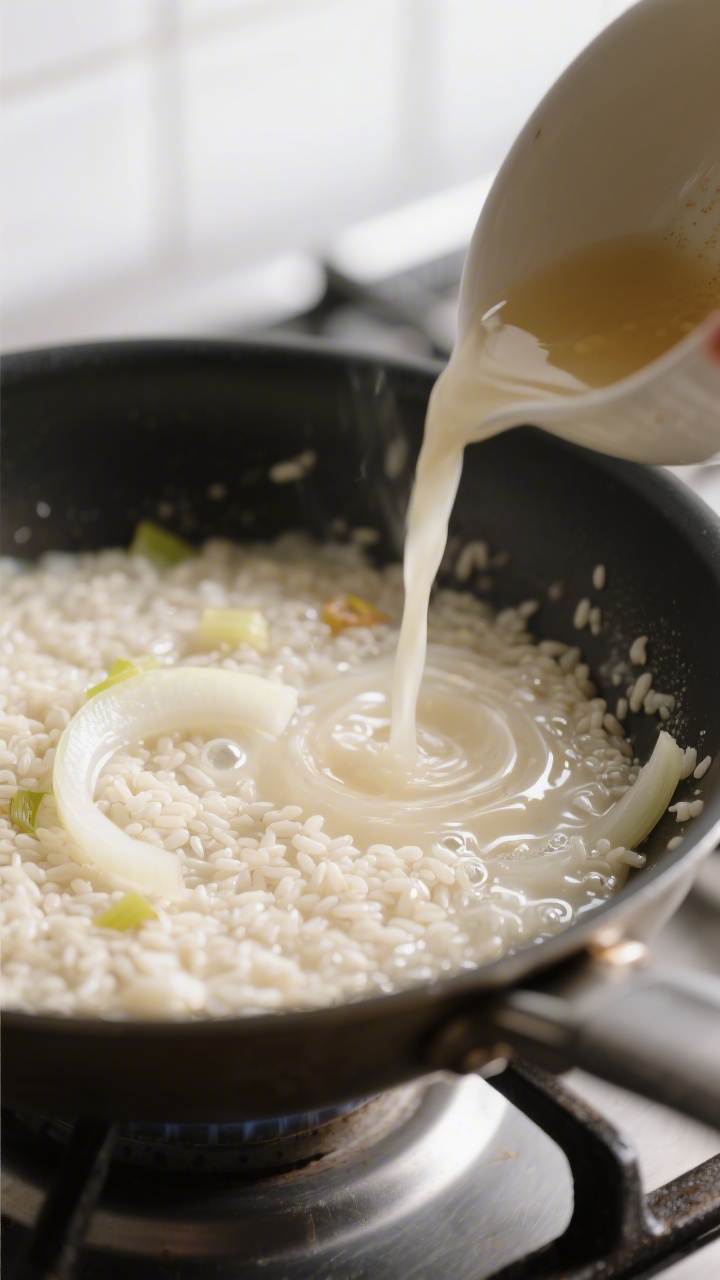
- Add broth gradually: Add about 1/2 to 3/4 cup of warm broth and stir. Keep the heat at a gentle simmer. When most of the liquid is absorbed, add another ladle. Continue this process, stirring frequently, for about 16–18 minutes.
- Cook the peas: When the rice is nearly al dente (still slightly firm in the center), stir in the peas. Fresh peas need about 3–4 minutes; frozen peas cook in 2–3 minutes. Add a splash more broth as needed to keep it creamy.
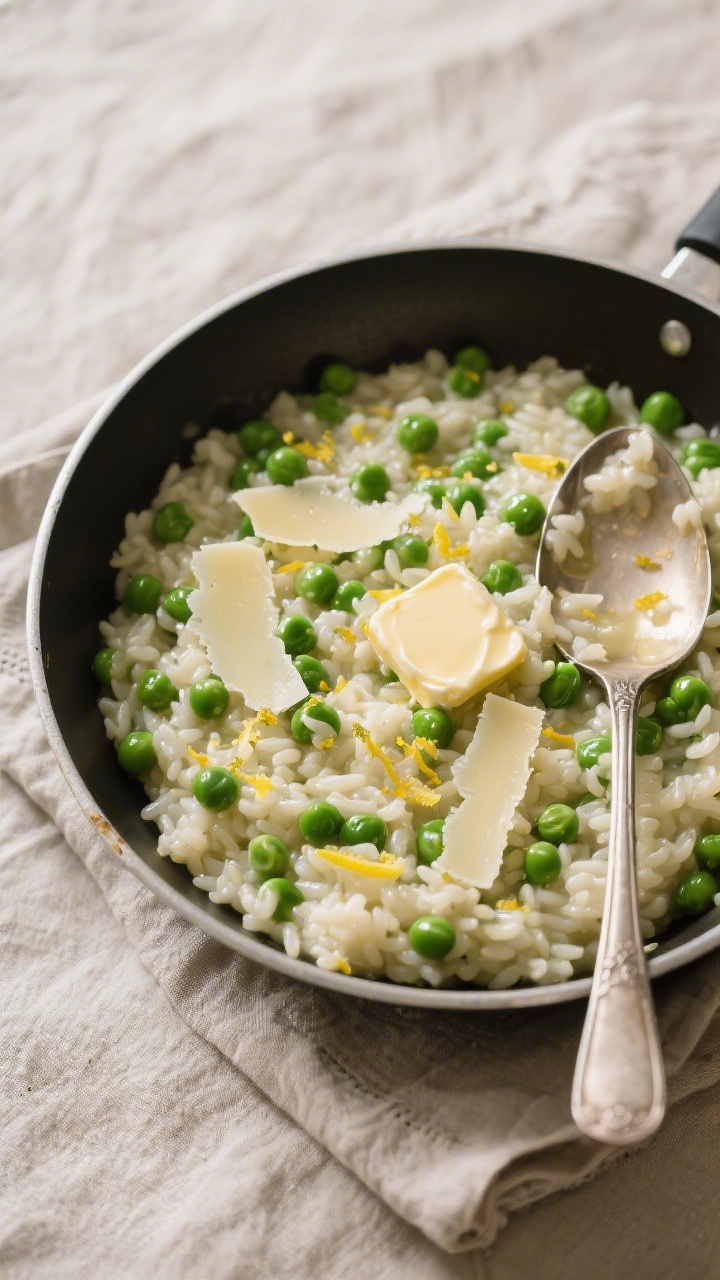
- Finish the risotto: When the rice is tender with a slight bite and the texture is loose and creamy, turn off the heat. Stir in the remaining 1 tablespoon butter, Parmesan, lemon zest, and lemon juice. Season with salt and pepper. The risotto should softly spread on a plate; add a little more warm broth if it looks tight.
- Add herbs and serve: Fold in the fresh herbs. Taste and adjust seasoning or lemon. Finish with a drizzle of extra-virgin olive oil and a sprinkle of Parmesan, if you like. Serve right away.
What Makes This Recipe So Good
- Balanced flavor: Creamy rice, sweet peas, bright lemon, and a touch of cheese make each bite layered and satisfying.
- Simple ingredients: You’ll find most of what you need in a basic pantry—broth, rice, onion, peas, and Parmesan.
- Foolproof method: Clear, step-by-step instructions help you get that silky, restaurant-style texture without stress.
- Quick spring meal: Ready in about 35–40 minutes, with most of that being gentle stirring time.
- Easy to customize: Add herbs, swap cheeses, or fold in asparagus or mushrooms if you like.
Ingredients
- 4 cups (1 liter) low-sodium vegetable or chicken broth, kept warm
- 2 tablespoons olive oil
- 2 tablespoons unsalted butter, divided
- 1 small yellow onion, finely diced
- 2 cloves garlic, minced
- 1 1/2 cups arborio rice (or carnaroli, if available)
- 1/2 cup dry white wine (optional but recommended)
- 1 1/2 cups fresh or frozen peas (no need to thaw frozen peas)
- 1/2 cup freshly grated Parmesan cheese (plus more for serving)
- 1 teaspoon lemon zest
- 1–2 tablespoons fresh lemon juice, to taste
- 2 tablespoons chopped fresh herbs (mint, parsley, or chives)
- Kosher salt and freshly ground black pepper, to taste
- Extra-virgin olive oil, for finishing (optional)
Step-by-Step Instructions
- Warm the broth: In a small pot, heat the broth to a gentle simmer. Keep it warm over low heat.
Warm broth absorbs better and helps the rice cook evenly.
- Sauté the aromatics: In a wide saucepan or deep skillet, heat the olive oil and 1 tablespoon butter over medium heat. Add the onion and a pinch of salt. Cook 4–5 minutes, until soft and translucent.
Stir in the garlic and cook 30 seconds more, just until fragrant.
- Toast the rice: Add the arborio rice and stir to coat each grain with the fat. Cook 1–2 minutes, stirring often, until the edges of the rice look slightly translucent. This step helps the risotto keep a nice bite.
- Deglaze with wine: Pour in the white wine and stir until it’s mostly absorbed.
If skipping wine, add a ladle of warm broth instead and continue.
- Add broth gradually: Add about 1/2 to 3/4 cup of warm broth and stir. Keep the heat at a gentle simmer. When most of the liquid is absorbed, add another ladle.
Continue this process, stirring frequently, for about 16–18 minutes.
- Cook the peas: When the rice is nearly al dente (still slightly firm in the center), stir in the peas. Fresh peas need about 3–4 minutes; frozen peas cook in 2–3 minutes. Add a splash more broth as needed to keep it creamy.
- Finish the risotto: When the rice is tender with a slight bite and the texture is loose and creamy, turn off the heat.
Stir in the remaining 1 tablespoon butter, Parmesan, lemon zest, and lemon juice. Season with salt and pepper. The risotto should softly spread on a plate; add a little more warm broth if it looks tight.
- Add herbs and serve: Fold in the fresh herbs.
Taste and adjust seasoning or lemon. Finish with a drizzle of extra-virgin olive oil and a sprinkle of Parmesan, if you like. Serve right away.
Storage Instructions
- Refrigerate: Cool quickly and store in an airtight container for up to 3 days.
- Reheat gently: Warm on the stove over low heat with a splash of broth or water, stirring until creamy again.
Add a touch of butter or cheese at the end.
- Avoid freezing: Freezing changes the texture, making the rice grainy and the sauce split.
Benefits of This Recipe
- Nutrient boost from peas: Peas add fiber, plant protein, and vitamins A, C, and K while keeping the dish fresh.
- Comforting but light: You get that cozy risotto creaminess without needing heavy cream.
- Flexible for busy nights: Minimal prep and pantry staples mean you can make it on a weeknight.
- Friendly to variations: Works well with add-ins like asparagus, greens, or shrimp, depending on what you have.
Common Mistakes to Avoid
- Using cold broth: Cold liquid shocks the rice and slows cooking. Keep your broth warm and steady.
- Rushing the process: Adding too much liquid at once or cooking over high heat can make the rice uneven and starchy in a bad way.
- Overcooking the peas: Add them near the end to keep their color and sweetness.
- Letting it get too thick: Risotto should be creamy and loose, not stodgy. If it sits, stir in more warm broth before serving.
- Skipping the seasoning: Taste as you go.
Parmesan adds salt, so season near the end to avoid overdoing it.
Variations You Can Try
- Lemony Asparagus Risotto: Add 1 cup chopped asparagus with the peas. Increase lemon zest to 2 teaspoons.
- Mushroom and Pea Risotto: Sauté 8 ounces sliced mushrooms in butter first, then proceed with the recipe and add peas at the end.
- Mint and Burrata: Swap half the Parmesan for Pecorino, fold in extra mint, and top each bowl with torn burrata.
- Shrimp and Pea: Sear seasoned shrimp separately, then fold in right before serving for a protein boost.
- Dairy-Light Version: Skip the butter and use a drizzle of good olive oil. Use a smaller amount of Parmesan or a lactose-free hard cheese.
FAQ
Can I use a different rice instead of arborio?
Arborio and carnaroli are best because their starch creates that signature creaminess.
If you must substitute, try vialone nano. Regular long-grain rice won’t give the right texture.
Is the wine necessary?
No, but it adds brightness and depth. If you skip it, add a splash of extra lemon juice at the end and make sure your broth is flavorful.
How do I know when the risotto is done?
The rice should be tender with a slight bite in the center, and the texture should be creamy and loose.
It should gently spread on the plate, not sit in a tight mound.
Can I make this ahead?
Risotto is best right after cooking. If you need to prep ahead, par-cook the rice for about 12 minutes, spread it on a sheet pan to cool, then finish with hot broth when you’re ready to serve.
What if my risotto is too thick?
Stir in warm broth, a little at a time, until it loosens. Finish with a small knob of butter to restore shine and creaminess.
Can I use frozen peas?
Yes.
Frozen peas work wonderfully here. Add them straight from the freezer near the end so they stay bright and sweet.
What herbs work best?
Mint adds a classic spring note, parsley brings freshness, and chives add mild onion flavor. Use one or a mix, about 2 tablespoons total.
How can I make it vegetarian?
Use vegetable broth and Parmesan-style cheese made without animal rennet, or swap in a vegetarian hard cheese.
What pan should I use?
A wide, heavy-bottomed pan or large sauté pan is best.
The wider surface helps the liquid reduce evenly and makes stirring easier.
Can I add cream?
You can add a splash, but it isn’t necessary. The creaminess comes from the rice starch, butter, and cheese. Too much cream can dull the fresh flavors.
Final Thoughts
Spring pea risotto is a simple dish that feels special.
With warm broth, steady stirring, and a few bright touches, you’ll get silky rice, sweet peas, and a clean finish of lemon and herbs. Keep the texture loose, taste as you go, and serve right away. It’s a fresh, comforting bowl that’s perfect for weeknights, dinner with friends, or anytime you want a little spring on your plate.
Printable Recipe Card
Want just the essential recipe details without scrolling through the article? Get our printable recipe card with just the ingredients and instructions.
