
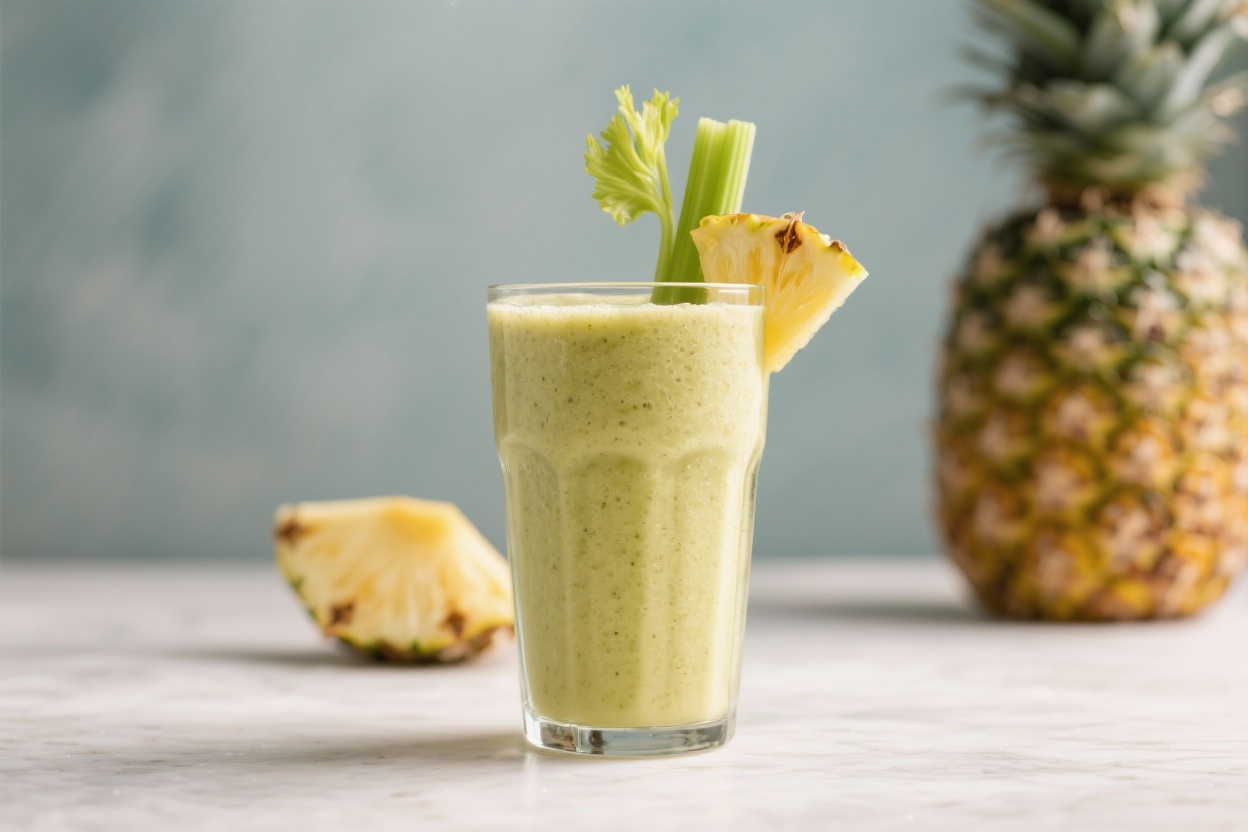
Feeling puffy or sluggish after a salty meal or a long day? This Celery Pineapple Bloat-Buster Smoothie is a crisp, bright pick-me-up that tastes like a mini vacation and helps your body reset. It’s simple to blend, gentle on digestion, and made with everyday ingredients.
The mix of juicy pineapple, hydrating celery, and fresh ginger makes it both refreshing and functional. Think of it as a soothing, tropical reset you can make in five minutes.
What Makes This Special
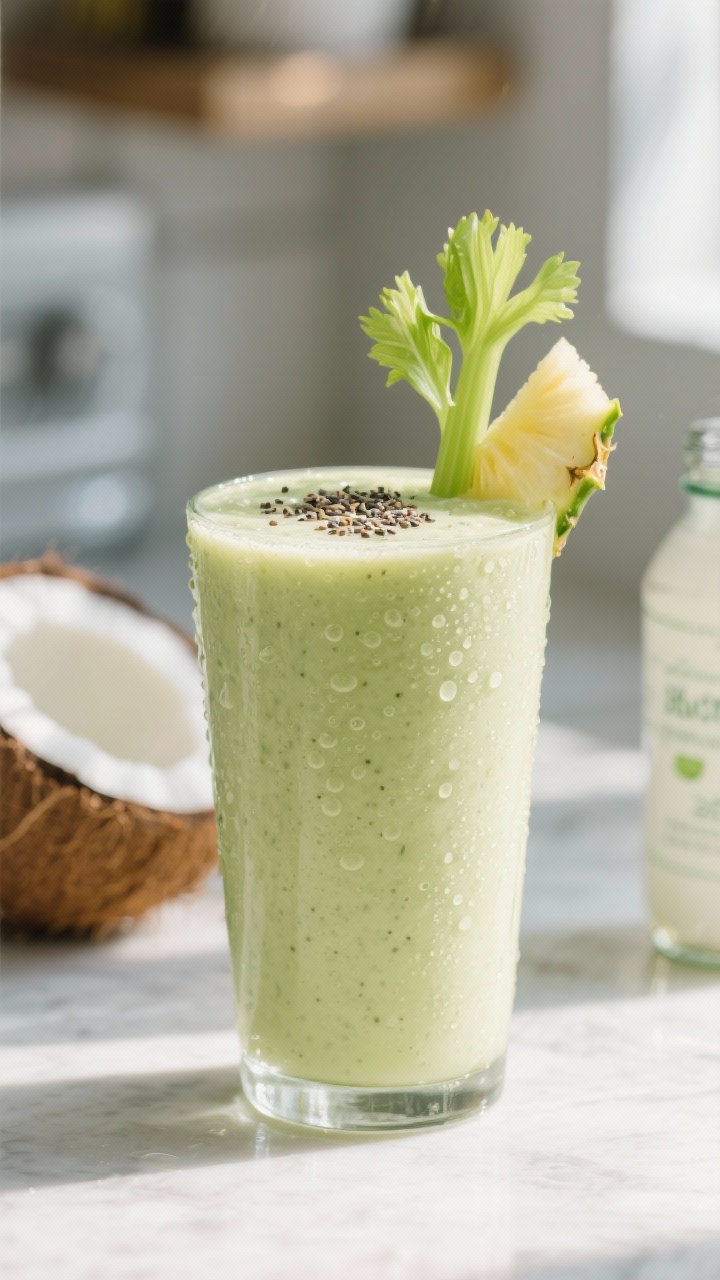
This smoothie leans on a few powerful, natural ingredients that work together to help reduce bloating while keeping flavor front and center.
- Hydration heroes: Celery and cucumber are water-rich, which helps with fluid balance and gentle detox support.
- Digestive support: Pineapple contains bromelain, an enzyme that may help with digestion. Ginger can calm the stomach and reduce gas.
- Light and bright flavor: It tastes like a spa drink with a tropical twist—refreshing without heavy sweetness.
- Quick and customizable: You can make it dairy-free, add protein, or tweak sweetness in seconds.
Shopping List
- Celery: 2–3 ribs, leaves included for extra flavor
- Pineapple: 1 heaping cup, fresh or frozen
- Cucumber: 1/2 medium (peel if waxed)
- Fresh ginger: 1/2 to 1 inch, peeled
- Lemon or lime: Juice of 1/2 (about 1 tablespoon)
- Liquid: 1 cup cold water or coconut water
- Optional boosters: Fresh mint, a handful of spinach, chia seeds, flaxseed, or collagen/protein powder
- Ice: A few cubes if using fresh pineapple
How to Make It
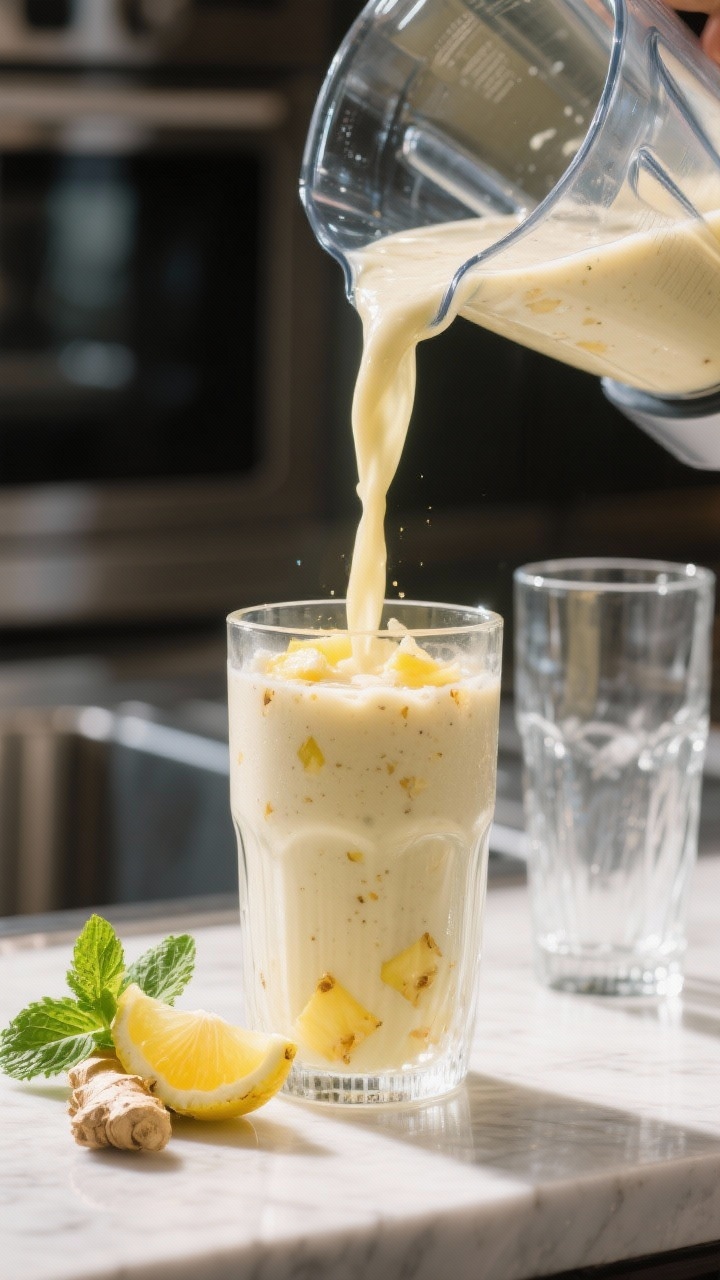
- Prep the produce. Rinse the celery and cucumber.
Chop them into chunks that your blender can handle. Peel the ginger and cut into a few pieces.
- Load the blender. Add liquid first (water or coconut water), then celery, cucumber, pineapple, ginger, and citrus juice. Add ice if using fresh pineapple.
- Blend until smooth. Start low, then increase to high for 30–60 seconds.
If it’s too thick, add a splash more liquid.
- Taste and adjust. Add more ginger for zing, more citrus for brightness, or a few mint leaves for a cooling finish.
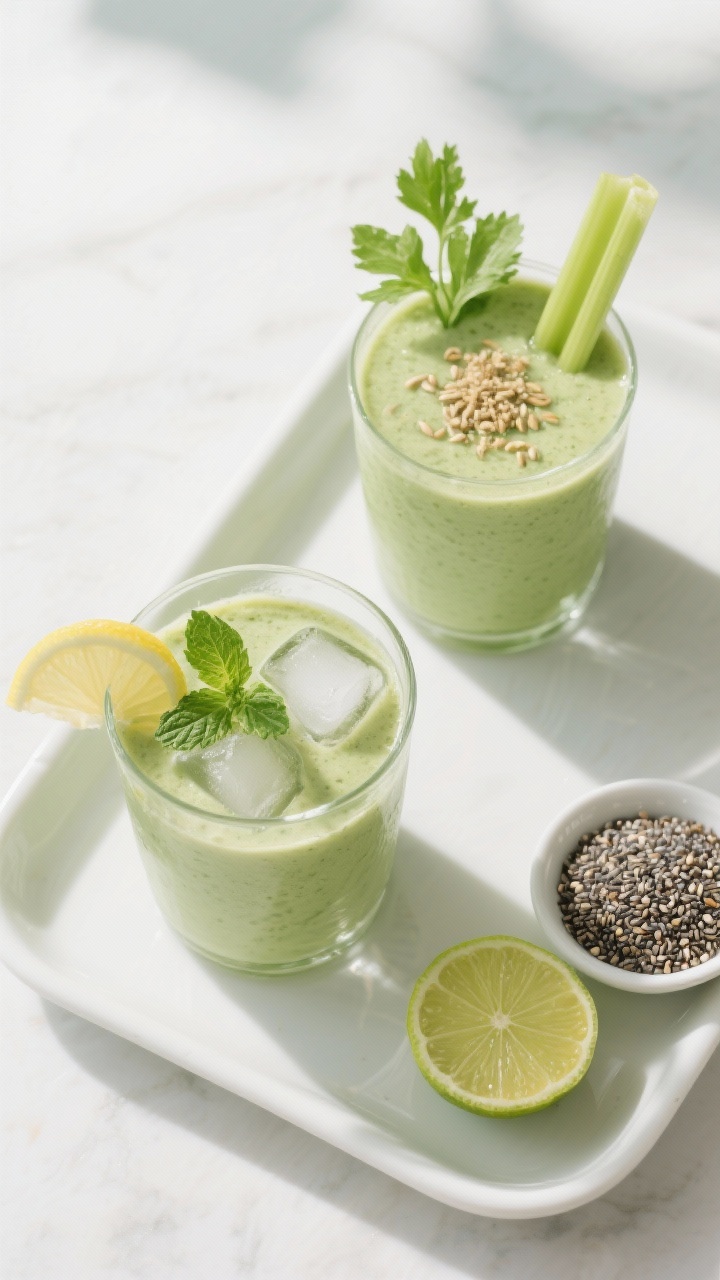
- Boost if you want. For fiber, add 1 teaspoon chia or ground flax. For protein, add a scoop of unflavored or vanilla protein powder. Blend briefly to combine.
- Serve immediately. Pour into a chilled glass for the most refreshing experience.
How to Store
- Short term: Store in an airtight jar in the fridge for up to 24 hours.
Shake well before drinking.
- Make-ahead packs: Freeze pre-portioned celery, pineapple, cucumber, ginger, and mint in bags. Add liquid and blend when ready.
- Freezing leftovers: Freeze in silicone molds or ice trays. Blend later with extra liquid.
Texture will be slightly frothier.
Benefits of This Recipe
- May help reduce water retention: Celery and cucumber are naturally hydrating and low in sodium, which can support fluid balance.
- Supports digestion: Pineapple’s bromelain and ginger’s soothing properties can help with bloating and gas.
- Light on the stomach: No heavy dairy or added sugars. It’s easy to sip, even when your belly feels off.
- Micronutrient boost: Vitamin C from pineapple and lemon, antioxidants from ginger, and electrolytes from coconut water if you use it.
- Customizable nutrition: Add chia or flax for fiber, spinach for extra greens, or protein to make it more filling.
Pitfalls to Watch Out For
- Too much ginger: A little goes a long way. Start small to avoid a spicy burn.
- Overly sweet: Pineapple is naturally sweet.
Skip added sweeteners, especially if you’re aiming to reduce bloat.
- Watery texture: Use frozen pineapple or a few ice cubes if you like a thicker, colder smoothie.
- Stringy bits: If your blender struggles with celery, blend longer or strain through a fine mesh sieve for a smoother sip.
- Relying on it as a cure: This smoothie supports digestion, but it won’t fix chronic bloating. If bloating is frequent, consider checking triggers like salt intake, carbonated drinks, or food intolerances.
Alternatives
- No pineapple? Use mango or kiwi. For lower sugar, try green apple plus a few ice cubes.
- No celery? Use extra cucumber and a handful of spinach for that fresh, green profile.
- No ginger? Sub a pinch of ground turmeric and a crack of black pepper, or use fresh mint for a gentle flavor.
- Protein boost: Add Greek yogurt (if you tolerate dairy) or a clean plant-based protein.
Vanilla works well here.
- Extra fiber: Add 1 tablespoon chia seeds and let the smoothie sit for 5 minutes to thicken slightly.
- Electrolyte twist: Use coconut water instead of plain water, especially after a workout or a salty meal.
FAQ
Can I make this without a high-speed blender?
Yes. Chop ingredients small and blend longer. If you still get stringy bits from celery, strain the smoothie through a fine mesh sieve or nut milk bag.
Is this good for breakfast?
Absolutely.
For more staying power, add protein powder, Greek yogurt, or chia. That combo helps keep you satisfied until lunch.
Can I use canned pineapple?
You can, but choose pineapple canned in juice, not syrup. Rinse lightly and use a few ice cubes to keep the smoothie cold and bright.
Will this help with bloating right away?
Many people feel lighter within an hour thanks to hydration and digestive support.
Results vary, and consistent habits—like reducing excess salt and eating slowly—make the biggest difference.
Is it low FODMAP?
Celery and pineapple can be tolerated in small portions for some people on a low FODMAP diet. If you’re sensitive, keep portions modest and skip added sweeteners. Always adjust to your own tolerance.
Can I add greens without changing the flavor too much?
Yes.
A small handful of baby spinach blends in easily without overpowering the taste. It keeps the smoothie vibrant and mild.
What if I don’t like the taste of celery?
Use more cucumber and pineapple, and add mint and extra lemon. You’ll still get a refreshing, bloat-friendly drink with a softer flavor.
How much ginger should I use?
Start with 1/2 inch for a mild kick.
If you love heat and zing, go up to 1 inch. Fresh ginger varies in intensity, so taste and adjust.
Final Thoughts
This Celery Pineapple Bloat-Buster Smoothie is a simple, feel-good blend that’s easy to make and even easier to drink. It’s crisp, cooling, and helps you feel lighter without any fuss.
Keep the ingredients on hand, tweak it to your taste, and make it part of your routine when you want something fresh and supportive. One glass can set a calmer tone for the rest of your day.
